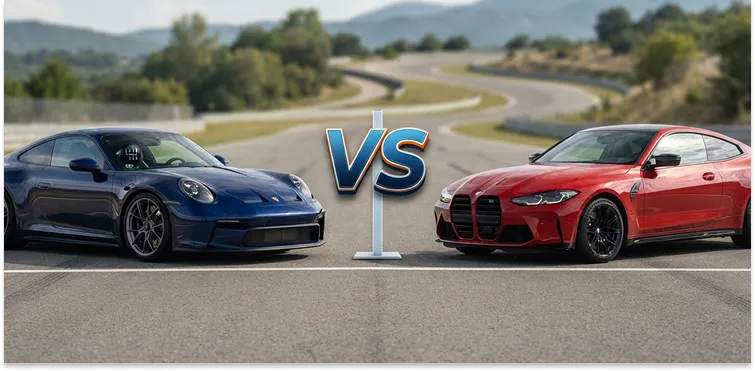
Choosing between a manual and automatic car depends on your driving habits, budget, and personal preferences. Both transmission types offer unique benefits for different types of drivers, especially when you plan to buy a car from a top car dealer.
Manual cars provide more control and an engaging driving experience, while automatic cars focus on convenience, comfort, and easier operation.
Understanding the key differences between manual and automatic cars can help you choose the right vehicle for your daily needs and make a more confident long-term ownership decision.
Manual vs Automatic Cars: Key Differences Explained
The main difference between manual and automatic cars is how the vehicle changes gears. In a manual car, the driver controls gear changes using a clutch pedal and gear lever. In an automatic car, the transmission changes gears automatically without requiring manual input.
| Feature | Manual Cars | Automatic Cars |
| Gear Control | Driver changes gears manually | Vehicle changes gears automatically |
| Driving Effort | Requires clutch and gear operation | Easier with simple controls |
| Purchase Price | Usually more affordable | Generally more expensive |
| Fuel Efficiency | Often efficient depending on driving style | Modern automatics can be highly efficient |
| Traffic Comfort | More tiring in heavy traffic | More comfortable for city driving |
| Driving Experience | More engaging and connected | Smooth and convenient |
Both options have improved significantly with modern technology, so the choice is less about which one is universally better and more about which one fits your driving needs.
Learn More:
- AWD vs FWD Explained
- Certified Pre-Owned vs Regular Used Car
- New vs Used Car
- Mercedes vs Porsche
- BMW vs Audi for US Military
- AWD vs 4WD
- Electric Cars vs Hybrid Cars
- Hybrid or Plug-In Hybrid
- FWD vs RWD When Buying a Used Car
- AWD vs RWD When Buying a Car
- Should You Buy or Lease a New Car
- 4WD vs AWD
- Hatchback vs Sedan
- SUV vs Crossover
Driving Experience and Control
The transmission type directly affects how a car feels to drive. Manual cars offer more driver involvement, while automatic cars focus on ease and smooth operation.
Manual Cars
Manual cars give drivers direct control over gear changes, creating a more connected and engaging driving experience. They are preferred by drivers who enjoy active control and greater involvement behind the wheel.
Before choosing a manual vehicle, it is helpful to test drive a car properly to understand the clutch response, gear shifting, and overall driving comfort.
Automatic Cars
Automatic cars handle gear changes on their own, making them easier and more comfortable to drive. They are ideal for drivers who prefer a relaxed experience with less physical effort.
When comparing automatic options, buyers should also check mileage when buying to ensure the vehicle offers good value, reliability, and long-term ownership benefits.
Ease of Driving and Convenience
Convenience is one of the biggest factors when comparing manual and automatic vehicles.
Manual Cars
Manual cars require more involvement from the driver. Learning clutch control and smooth gear shifting can take time, especially for new drivers.
They may feel challenging in situations such as stop-and-go traffic, parking on hills, or frequent short-distance driving.
Automatic Cars
Automatic cars are much easier to operate, making them a popular choice for beginners and daily commuters.
With no clutch pedal and automatic gear changes, they reduce driving fatigue and allow drivers to focus more on road conditions.
Gear Shifting and Transmission Performance
Transmission performance affects how smoothly and efficiently a car delivers power.
Manual Cars
Manual transmissions allow drivers to select the ideal gear based on road conditions and driving preferences. This can provide better control during overtaking, climbing hills, or driving on challenging roads.
However, poor gear shifting habits can affect driving comfort and increase clutch wear.
Automatic Cars
Automatic transmissions provide seamless gear changes without driver involvement. Advanced systems can adjust shifting patterns based on speed, acceleration, and driving conditions.
Many modern automatic cars now offer quick and responsive performance that competes closely with manual vehicles.
Fuel Efficiency and Running Costs
Fuel economy is an important consideration for many car buyers.
Manual Cars
Manual cars have traditionally been considered more fuel-efficient because they have simpler transmission systems and allow drivers to control gear changes.
A skilled driver can improve fuel efficiency by selecting the right gears at the right time.
Automatic Cars
Older automatic cars were often less fuel-efficient, but modern automatic transmissions have improved significantly.
Technologies such as improved gear ratios, lightweight components, and intelligent shifting systems help many automatic vehicles deliver excellent fuel economy.
Acceleration and Driving Performance
Performance can vary depending on the transmission technology and vehicle model.
Manual Cars
Manual cars can provide strong acceleration when driven by someone who understands gear timing. Drivers can keep the engine in the optimal power range by choosing the correct gear.
They are often preferred by people who enjoy a sporty and engaging driving style.
Automatic Cars
Modern automatic cars can offer impressive acceleration, especially models equipped with advanced transmissions like DCT systems.
Because the vehicle manages gear changes quickly and efficiently, many automatic cars provide smooth and consistent performance.
Comfort for Daily Driving and Long Trips
Comfort plays an important role for people who spend a lot of time driving.
Manual Cars
Manual cars can be enjoyable for shorter trips and open roads, but repeated clutch use can become tiring during long journeys or heavy traffic.
Drivers who frequently travel through congested areas may find manual driving more demanding.
Automatic Cars
Automatic cars provide greater comfort because they reduce the effort required while driving.
They are especially suitable for long-distance journeys where smooth operation and reduced fatigue are important.
City Driving and Traffic Conditions
Driving conditions often determine which transmission is more practical.
Manual Cars
Manual cars can be less convenient in busy cities where frequent stopping and starting is required.
Constant clutch operation in traffic jams may become uncomfortable over time.
Automatic Cars
Automatic cars are ideal for urban driving because they handle gear changes automatically.
They are easier to drive in crowded areas and provide a more relaxed experience during daily commuting.
Highway Driving and Long-Distance Comfort
Both transmission types can perform well on highways, but they offer different experiences.
Manual Cars
Manual cars allow drivers to control gear selection, which can be useful when overtaking or driving on hills.
They can provide an engaging highway experience for drivers who enjoy active involvement.
Automatic Cars
Automatic cars are often preferred for long highway journeys because they offer smoother cruising and less driver effort.
Features like adaptive cruise control and advanced driver assistance systems are also commonly paired with automatic transmissions.
Maintenance Costs and Reliability
Maintenance costs and reliability play an important role in the overall ownership experience. Manual cars are often simpler to maintain, while automatic cars require more advanced transmission care.
Manual Cars
Manual cars usually have simpler transmission systems, making them easier and more affordable to maintain. However, the clutch is a wear item that may need replacement depending on driving style and usage.
Compared with automatics, manual repairs are generally less complex, but frequent clutch use can increase maintenance needs.
Automatic Cars
Automatic cars have more complex transmission systems, which can make repairs and servicing more expensive. However, modern automatic transmissions are designed for better durability with proper maintenance.
Regular servicing and correct driving habits can help automatic transmissions deliver reliable performance and a longer lifespan.
Repair Costs and Transmission Lifespan
Transmission durability depends on the vehicle model, maintenance routine, and driving habits. Manual and automatic transmissions can both last for years, but their repair costs and complexity are different.
Manual Cars
Manual transmissions are usually simpler in design, making them easier and more affordable to repair. With proper maintenance, they can provide reliable performance for a long time.
Compared with automatics, manual repairs are generally less expensive, although clutch replacement may be needed over time.
Automatic Cars
Automatic transmissions can offer excellent reliability, especially in newer vehicles with advanced technology. Regular servicing helps maintain smooth performance and extend transmission life.
However, repairs can be more costly due to their complex mechanical and electronic components compared with manual systems.
Purchase Price and Overall Ownership Cost
The purchase price and long-term costs are important when choosing between manual and automatic cars. Manual vehicles are usually more affordable, while automatics offer more comfort at a higher price. Considering all expenses, including hidden costs, helps buyers make a smarter decision.
Manual Cars
Manual cars generally have a lower purchase price, making them a popular choice for buyers focused on affordability. Their simpler design can also help reduce maintenance and repair expenses over time.
For buyers who want to buy a new car the smart way, choosing a manual model can be a practical option to keep upfront and ownership costs lower.
Automatic Cars
Automatic cars usually come with a higher initial price because of their advanced transmission technology. However, many buyers consider the extra cost worthwhile due to easier driving and improved comfort.
Understanding the total ownership value can help you avoid overpaying and negotiate the best price when choosing an automatic vehicle that matches your needs and budget.
Resale Value and Market Demand
Resale value depends on buyer preferences, market trends, and the demand for each transmission type. Automatic cars often have broader appeal, while manual cars attract a more specific group of drivers.
Manual Cars
Manual cars may have a smaller resale market because many buyers prefer the convenience of automatic vehicles. However, they can still attract driving enthusiasts who value better control and engagement.
Compared with automatics, selling a manual car may take longer in markets where automatic transmissions are more popular.
Automatic Cars
Automatic cars usually have stronger resale demand because they appeal to a wider range of buyers. Their easier operation makes them popular among commuters, families, and first-time drivers.
Due to their convenience and growing market preference, automatic vehicles often provide better resale opportunities in many regions.
Safety Features and Driving Assistance Compatibility
Modern safety technology and driver assistance features can also influence the choice between manual and automatic cars. While both can offer advanced safety systems, automatic vehicles often provide better compatibility with certain technologies.
Manual Cars
Manual cars can include safety features such as airbags, lane assistance, and stability control. However, some advanced driver assistance systems may be less common because drivers are responsible for controlling gear changes.
For buyers buying a car for the first time, understanding these differences and following a complete car inspection checklist can help ensure they choose a safe and suitable vehicle.
Automatic Cars
Automatic cars often work more smoothly with features like adaptive cruise control, traffic assist, and parking assistance because the transmission can manage speed changes automatically.
When evaluating an automatic vehicle, buyers should be aware of dealer tricks to watch out for and check for signs of a bad used car you should avoid before making a purchase decision. These checks help ensure the vehicle provides both safety and long-term reliability.
Manual vs Automatic Cars: Which Is Better for Different Drivers?
The best choice between a manual and automatic car depends on your driving style, daily routine, and personal preferences. Each transmission type offers different benefits, so consider how and where you drive before making a decision.
Choose a Manual Car If You:
- Prefer a more engaging and connected driving experience
- Want a lower purchase price and reduced ownership costs
- Enjoy having direct control over gear changes
- Mostly drive on highways, open roads, or less congested routes
Choose an Automatic Car If You:
- Frequently drive in busy city traffic or stop-and-go conditions
- Want a smoother and more convenient driving experience
- Prefer easier daily driving with less physical effort
- Need a vehicle that can be comfortably used by multiple drivers
Choosing the right transmission is not about which option is better overall, but which one best matches your driving needs and lifestyle.
Common Mistakes When Choosing Between Manual and Automatic Cars
Many buyers focus only on the initial price or popular opinion when choosing between a manual and automatic car. However, the best choice depends on your driving habits, road conditions, and long-term ownership goals. Avoid these common mistakes to make a smarter decision:
- Choosing only based on purchase price: A cheaper car may not always be the most cost-effective option when considering maintenance, comfort, and resale value.
- Ignoring driving habits and road conditions: A manual car may suit open roads, while an automatic can be more practical for frequent city traffic.
- Not considering future resale value: Market demand for different transmission types can affect how easily you can sell your vehicle later.
- Skipping a proper test drive: Experiencing both options firsthand helps you understand which transmission feels more comfortable and suitable for your needs.
Popular Manual and Automatic Car Options to Consider
Many popular vehicles are available with both manual and automatic transmissions. The right option depends on your driving style, budget, and comfort preferences.
Popular Manual Car Options
- Toyota Corolla – Reliable, affordable, and easy to maintain.
- Honda Civic – Offers engaging handling and strong driving control.
- Volkswagen Golf – A practical choice with enjoyable performance.
- Ford Mustang – Popular among drivers who prefer sporty manual driving.
Popular Automatic Car Options
- Toyota Camry – Known for comfort, reliability, and smooth performance.
- Honda Accord – A practical sedan with a refined automatic transmission.
- Hyundai Tucson – A comfortable SUV with modern features.
- BMW 3 Series – Combines luxury, performance, and automatic convenience.
Manual cars are ideal for drivers who enjoy control and engagement, while automatic cars are better suited for those who want comfort and effortless daily driving.
Final Verdict
There is no single winner between manual and automatic cars because both offer unique benefits.
Manual cars are ideal for drivers who enjoy control, lower costs, and a more connected driving experience. Automatic cars are better suited for people who want convenience, comfort, and easier daily driving.
If you regularly drive in heavy traffic or want a stress-free experience, an automatic car is often the practical choice.
If you enjoy driving and want more involvement behind the wheel, a manual car can still be an excellent option. The best transmission is the one that matches your lifestyle, driving conditions, and long-term needs.