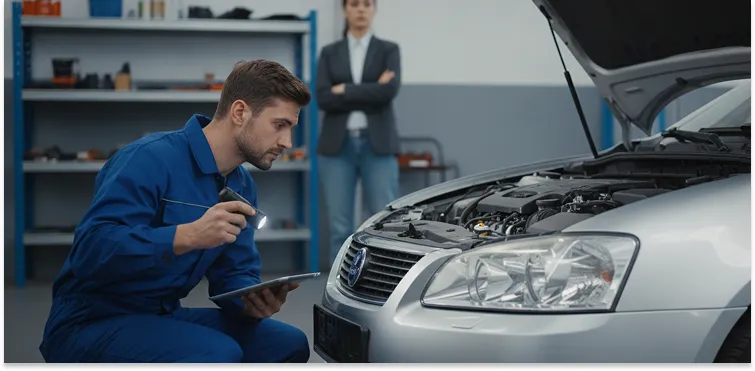
Buying a used car can help you save money, but only if you choose the right vehicle. A car that looks great on the outside may still have hidden mechanical issues, accident damage, or poor maintenance that could lead to expensive repairs later.
That’s why a thorough inspection is essential before making a purchase. Whether you’re buying from a private seller or a dealership, checking the vehicle carefully helps you understand its true condition and negotiate a fair price.
This complete used car inspection checklist covers everything you need to examine, from the exterior and engine bay to the interior, underbody, test drive, and vehicle documents. By following these steps, you’ll be better prepared to choose a reliable used car with confidence.
Why Inspecting a Used Car Before Buying Is Important
A used vehicle has already been driven by one or more owners. Its condition depends entirely on how well it was maintained throughout its life. Even if the seller claims the car is “excellent,” you should never rely on appearance or verbal promises alone.
A proper inspection helps you:
- Detect hidden mechanical issues before they become expensive repairs.
- Identify signs of previous accidents or poor-quality repairs.
- Spot leaks, corrosion, or excessive wear.
- Verify that major systems work correctly.
- Estimate upcoming maintenance costs.
- Confirm the asking price matches the vehicle’s condition.
- Avoid purchasing unsafe or unreliable vehicles.
Think of the inspection as an investment. Spending an hour checking a vehicle carefully can save you thousands of dollars later.
What to Bring for a Used Car Inspection
Having a few simple tools makes the inspection much easier and more accurate.
Bring the following items:
- Flashlight
- Tire tread depth gauge (optional but helpful)
- Paper towels or clean cloth
- Small inspection mirror
- OBD-II scanner (if available)
- Notebook or smartphone for notes
- Magnet (helps detect body filler on steel panels)
- Gloves
- Tire pressure gauge
It’s also a good idea to inspect the vehicle during daylight. Natural light makes it easier to spot dents, scratches, repainting, and rust.
Exterior Inspection Checklist
The exterior provides valuable clues about how the vehicle has been maintained and whether it has been involved in accidents.
Walk Around the Entire Vehicle
Start by walking around the vehicle slowly and inspecting it from every angle. Look carefully for dents, scratches, rust spots, paint fading, cracks, body damage, or missing trim pieces. Viewing the car in natural daylight makes it easier to notice imperfections that may be hidden in poor lighting.
Minor cosmetic wear is expected on most used cars, especially older models. However, large dents, heavy rust, or obvious body damage may suggest previous accidents, poor repairs, or a lack of regular maintenance, making the vehicle worth investigating further.
Check Paint Consistency
Observe the paint from different angles and under good lighting. A consistent color and finish across the entire vehicle usually indicate the original factory paint is still intact.
Pay attention to different paint shades, overspray around moldings, uneven textures, or one freshly painted section. These signs often suggest that the vehicle has undergone body repairs after an accident or other damage.
Inspect Body Panel Gaps
Check the gaps between the hood, doors, fenders, trunk, and bumpers. The spacing should be even and consistent on both sides of the vehicle, with all panels lining up properly.
Uneven panel gaps or panels that appear slightly raised or recessed may indicate previous collision repairs or structural damage. While some minor variations are normal, significant misalignment should be inspected more closely.
Inspect Glass
Carefully examine the windshield, side windows, rear window, and sunroof for any visible damage. Even small chips or cracks can spread over time and may require costly replacement.
Also look for deep scratches, damaged seals, or signs of water leaking around the edges of the glass. Poor sealing can allow moisture into the cabin, leading to unpleasant odors, mold, and electrical problems.
Check Lights
Test every exterior light to make sure it works correctly. This includes the headlights, brake lights, turn signals, reverse lights, fog lights, and daytime running lights.
Inspect the headlight lenses for cloudiness, moisture, or cracks. Foggy or damaged headlights reduce visibility at night and may need restoration or replacement to ensure safe driving.
Examine Doors
Open and close each door several times to make sure they operate smoothly. Check that every door locks securely, aligns properly with the body, and doesn’t require excessive force to shut.
If a door sticks, sags, or doesn’t close evenly, it could point to worn hinges, poor previous repairs, or structural damage from an accident. Don’t forget to test the trunk and hood using the same approach.
Tire and Wheel Inspection Checklist
Tires reveal a great deal about both maintenance habits and suspension health.
Check Tire Tread
Inspect the tread depth on all four tires to make sure they have enough grip for safe driving. Look for deep grooves, even wear across the surface, and make sure there are no bald spots or excessively worn areas.
Uneven tread wear can reveal underlying mechanical problems. It often points to poor wheel alignment, worn suspension components, or incorrect tire pressure, all of which may require additional repairs.
Inspect Tire Age
Check the tire sidewall for the DOT code, which includes the tire’s manufacturing date. Even if the tread appears to be in good condition, older tires can become less safe as the rubber naturally hardens over time.
Most manufacturers and tire experts recommend replacing tires that are around six years old or older. Aging tires are more likely to develop cracks and may not provide the same level of traction or braking performance.
Check for Damage
Carefully inspect each tire for visible damage, including cracks, bulges, cuts, sidewall damage, or objects such as nails and screws embedded in the rubber. Don’t forget to check both the inner and outer sidewalls if possible.
Any of these issues can weaken the tire and increase the risk of a puncture or blowout while driving. If you notice significant damage, factor the cost of replacement into your buying decision.
Examine Wheels
Look closely at each wheel for bent rims, cracks, heavy curb damage, or missing lug nuts. Cosmetic scratches are common, but structural damage can affect the vehicle’s safety and performance.
Damaged wheels may cause vibrations, uneven tire wear, or poor handling at higher speeds. If a wheel appears bent or cracked, it should be repaired or replaced before the vehicle is driven regularly.
Verify Matching Tires
Ideally, all four tires should be the same size, have similar tread depth, and come from reputable manufacturers. Matching tires help provide balanced handling, braking, and overall driving stability.
Using different tire brands isn’t always a serious problem, but it can indicate inconsistent maintenance or piecemeal replacements. If the tires vary significantly in size or condition, ask the seller why they were replaced separately.
Engine Bay Inspection Checklist
The engine compartment reveals how well the vehicle has been cared for.
Always inspect the engine before it has warmed up.
Check for Fluid Leaks
Look underneath the engine and around major components for any signs of leaking fluids. Pay close attention to areas where engine oil, coolant, brake fluid, transmission fluid, or power steering fluid may be dripping or collecting.
Small stains from older leaks may not always be a major concern, but fresh or active leaks should never be ignored. They can indicate worn seals, damaged hoses, or more serious mechanical problems that may require expensive repairs.
Inspect Engine Oil
Remove the engine oil dipstick and check both the oil level and its condition. Healthy engine oil should be at the correct level, appear relatively clean, and have no strong burnt smell.
If the oil looks milky or creamy, it could mean coolant is mixing with the oil due to a failing head gasket or another internal engine issue. Extremely dark, thick oil may also suggest poor maintenance.
Check Coolant
Inspect the coolant reservoir to ensure the coolant is at the proper level and has a clean, bright appearance. Depending on the type used, it may be green, orange, pink, or blue, but it should never appear dirty or contaminated.
Be cautious if the coolant is rust-colored, unusually low, or has oily residue floating in it. These signs may point to corrosion, leaks, or serious engine problems that require further inspection.
Examine Belts
Inspect the engine belts for visible signs of wear, including cracks, fraying, glazing, or loose tension. Belts play an important role in powering essential components such as the alternator, water pump, and air conditioning system.
Although replacing worn belts is generally affordable, ignoring damaged belts can lead to unexpected breakdowns. If a belt appears excessively worn, plan to replace it soon after purchase or negotiate the repair cost with the seller.
Inspect Hoses
Check all visible rubber hoses for cracks, bulging, soft spots, or signs of leaking fluid around the connections. Squeeze them gently if the engine is cool to ensure they still feel firm and flexible.
Old or damaged hoses can fail without much warning, leading to coolant leaks or engine overheating. Replacing worn hoses is relatively inexpensive and can help prevent more serious mechanical issues.
Look at the Battery
Inspect the battery terminals for corrosion, loose connections, or white and green buildup around the posts. Also check the battery’s age, if marked, and make sure it is securely mounted in place.
A battery with heavy corrosion or signs of damage may struggle to provide reliable starting power. If the battery is several years old, you may need to budget for a replacement in the near future.
Listen to the Engine
Start the engine when it is cold and let it idle for a few minutes. Listen carefully for unusual sounds such as knocking, ticking, grinding, squealing, or excessive vibration that could indicate mechanical problems.
A healthy engine should idle smoothly and operate quietly with only normal operating sounds. Any persistent or loud noises deserve further investigation before you commit to buying the vehicle.
Interior Inspection Checklist
A well-maintained interior often reflects careful ownership.
Inspect the Seats
Examine all the seats for tears, stains, excessive wear, or damaged upholstery. Pay close attention to the driver’s seat, as it usually shows the most wear and can reveal how heavily the vehicle has been used.
Adjust every seat to ensure the manual or power controls work properly. Seats that won’t move or lock into position may require repairs and can affect both comfort and safety.
Test Seat Belts
Pull each seat belt out fully to make sure it extends smoothly and retracts without getting stuck. Every belt should latch securely into its buckle and release properly when the button is pressed.
Seat belts are one of the vehicle’s most important safety features. If any belt is damaged, frayed, or doesn’t function correctly, it should be repaired or replaced before the car is driven regularly.
Check Dashboard Warning Lights
Turn the ignition to the “On” position before starting the engine and observe the dashboard. Most warning lights should illuminate briefly as part of the system’s self-check and then turn off once the engine starts.
Pay special attention to the Check Engine, ABS, Airbag, Battery, and Oil Pressure lights. If any of these remain illuminated, the vehicle may have underlying mechanical or electrical problems that require professional diagnosis.
Test the Climate Control
Switch on the air conditioning, heater, fan speeds, and defrosters to make sure they all work as expected. The air conditioning should blow cold air, while the heater should warm up quickly after the engine reaches operating temperature.
Problems with the climate control system can be expensive to repair, especially if major components such as the compressor or heater core need replacement. Make sure everything operates smoothly before making a purchase.
Verify Electronics
Test every electronic feature inside the vehicle, including the power windows, mirrors, door locks, infotainment system, Bluetooth, USB ports, navigation system, backup camera, and parking sensors. Check that each function responds properly without delays or error messages.
Modern vehicles rely heavily on electronic systems, and repairs can be costly if multiple components fail. Confirming that everything works correctly can help you avoid unexpected expenses after buying the car.
Check the Steering Wheel
Inspect the steering wheel for excessive wear, peeling material, or loose movement. A heavily worn steering wheel may indicate the vehicle has covered more miles than expected or has been used extensively.
During the test drive, pay attention to any unusual vibrations or looseness while steering. These symptoms could point to wheel alignment issues, suspension wear, or problems within the steering system.
Inspect the Headliner
Look at the headliner, which is the fabric covering the interior roof, for any sagging, stains, or loose sections. It should fit tightly against the roof without hanging down.
A sagging or stained headliner may indicate age-related deterioration or previous water leaks from the sunroof, windshield, or roof seals. Water damage can also lead to mold and electrical issues inside the vehicle.
Smell the Interior
As soon as you enter the vehicle, pay attention to any unusual odors inside the cabin. Strong smells can often reveal hidden problems that aren’t immediately visible during a visual inspection.
Be cautious if you notice odors such as mold, mildew, cigarette smoke, fuel, or burning oil. Persistent smells may indicate water damage, fluid leaks, poor maintenance, or previous repairs that require further investigation.
Underbody Inspection Checklist
Many expensive problems are hidden underneath the vehicle.
If possible, inspect the car using a lift or flashlight.
Look for Rust
Inspect the underside of the vehicle carefully for signs of rust. While light surface rust is common on older cars, severe corrosion is a serious concern, especially when it affects frame rails, suspension mounting points, floor pans, or brake lines.
Structural rust can weaken the vehicle’s frame and compromise its safety in the event of a collision. If you notice heavy rust or metal that appears to be flaking or crumbling, it’s often best to walk away from the purchase.
Inspect Exhaust Components
Examine the exhaust system for rust holes, loose hangers, damaged mufflers, or visible leaks. A well-maintained exhaust should be securely mounted and free from excessive corrosion or damage.
A loud exhaust noise, rattling sounds, or the smell of exhaust fumes may indicate a leak or failing components. Repairs can range from replacing a small section of pipe to installing an entirely new exhaust system.
Check Suspension Components
Inspect visible suspension parts such as the control arms, bushings, shock absorbers, struts, and springs. These components should appear secure and free from excessive wear, cracks, or physical damage.
Look closely at the shock absorbers for signs of leaking oil, as this usually indicates they need replacement. Worn suspension parts can affect ride comfort, handling, tire wear, and overall vehicle stability.
Examine Brake Lines
Carefully inspect the brake lines for corrosion, fluid leaks, dents, or any visible damage. The lines should be intact and securely attached without signs of excessive rust or wear.
The braking system is one of the most important safety features on any vehicle, so problems should never be overlooked. Damaged brake lines can lead to reduced braking performance or even complete brake failure if left unrepaired.
Look for Fluid Leaks Underneath
Before moving the vehicle, check the ground underneath it for fresh puddles or wet spots. Also inspect the underside of the engine, transmission, and differential for signs of leaking fluids.
Fresh leaks may indicate problems with seals, gaskets, hoses, or major mechanical components. Even if the leak appears minor, it’s worth investigating further or having the vehicle inspected by a qualified mechanic before completing the purchase.
Test Drive Inspection Checklist
The test drive is one of the most important parts of the buying process.
Drive the vehicle on different road types whenever possible.
Cold Start Performance
Start the engine when it is completely cold and observe how it behaves immediately. A healthy engine should start quickly, settle into a smooth idle, and produce minimal or no visible smoke from the exhaust.
If the engine struggles to start, takes too long to turn over, or idles roughly, it may indicate battery issues, fuel system problems, or deeper engine concerns that need further inspection.
Acceleration
During the test drive, gently press the accelerator and observe how the vehicle responds. The acceleration should feel smooth and consistent without any delay or sudden interruptions in power delivery.
Be alert for jerking, misfires, or delayed throttle response, as these symptoms may point to engine tuning issues, fuel delivery problems, or ignition system faults.
Transmission Operation
For automatic vehicles, the transmission should shift gears smoothly without harsh jolts, slipping, or hesitation. Gear changes should feel almost unnoticeable under normal driving conditions.
For manual transmissions, shifting should be easy and the clutch should engage smoothly. Grinding noises, difficulty shifting, or clutch slipping can indicate costly transmission or clutch repairs.
Steering
The steering system should feel responsive and stable, allowing the vehicle to stay centered without constant correction. It should not feel loose or overly stiff during normal driving.
If the car pulls to one side or the steering wheel vibrates excessively, it may indicate alignment problems, uneven tire wear, or suspension issues that need attention.
Braking
Perform several controlled stops at different speeds to evaluate brake performance. The vehicle should come to a smooth, even stop with a firm and predictable brake pedal feel.
Listen for any grinding, squealing, or vibrations during braking. These sounds may indicate worn brake pads, warped rotors, or other brake system issues that require repair.
Suspension
Drive over uneven or rough road surfaces to test how the suspension handles bumps and vibrations. The ride should feel stable and absorb shocks without excessive bouncing.
Unusual noises such as clunks, rattles, or squeaks often point to worn suspension components like bushings, struts, or control arms that may need replacement.
Highway Driving
If possible, take the vehicle on a highway to test its performance at higher speeds. The car should remain stable, quiet, and responsive without noticeable issues.
Watch for vibrations, excessive wind noise, engine hesitation, or transmission irregularities. These symptoms can indicate deeper mechanical or aerodynamic problems.
Parking
Test different parking maneuvers, including parallel and reverse parking if possible. The steering should feel controlled and the vehicle should respond smoothly in tight spaces.
Check that reverse gear engages properly and that parking sensors or backup cameras function correctly. Any difficulty or delay during parking may indicate issues with steering, transmission, or electronics.
Mechanical Inspection Checklist
Beyond what you can see, the vehicle’s mechanical condition determines its long-term reliability.
Engine Performance
The engine should run smoothly from the moment it starts and continue to idle without shaking or uneven vibrations. A stable idle is usually a strong sign that the engine is in good working condition.
During acceleration, the response should feel consistent and predictable without hesitation or loss of power. The engine should also maintain a normal operating temperature without any signs of overheating or irregular performance.
Cooling System
Keep an eye on the temperature gauge throughout the entire drive to ensure the engine stays within a safe range. A properly functioning cooling system helps prevent long-term engine damage.
The temperature should remain stable under normal driving conditions. Any signs of overheating, sudden temperature spikes, or warning lights should be treated as serious issues that need immediate attention.
Brake System
Inspecting the brake system is essential for safety and overall vehicle reliability. Check the condition of brake pads, rotors, brake fluid levels, and the parking brake functionality.
Brake performance should feel firm and responsive without delays or unusual sounds. Worn-out components can lead to reduced stopping power and may require immediate replacement.
Suspension
The suspension system should absorb bumps and uneven road surfaces smoothly without excessive bouncing or instability. A comfortable and controlled ride usually indicates healthy suspension components.
If the vehicle feels overly bouncy or unstable, it may suggest worn shocks, struts, or other suspension parts. These issues can affect both comfort and driving safety.
Steering Components
While driving, listen carefully for any clicking, knocking, or unusual noises when turning the steering wheel. These sounds may indicate worn or damaged steering components.
A healthy steering system should feel precise, smooth, and stable. Any looseness or noise during turns should be investigated before purchasing the vehicle.
Drivetrain
For all-wheel drive (AWD) or four-wheel drive (4WD) vehicles, test all available drive modes to ensure they engage properly. Each mode should activate smoothly without delays or warning lights.
If a drivetrain mode does not work correctly, it could indicate issues with transfer cases, differentials, or electronic control systems. Repairs in this area can be expensive, so proper testing is important.
Exhaust Smoke
Observe the exhaust closely while the engine is running and during acceleration. The color and thickness of the smoke can reveal important information about engine health.
Blue smoke often indicates oil burning, white smoke may suggest coolant leakage, and black smoke can point to excessive fuel consumption. Any abnormal smoke should be carefully investigated before making a purchase.
Verify the Vehicle’s History and Documents
A physical inspection should always be combined with paperwork verification.
Confirm the VIN
The Vehicle Identification Number (VIN) is the car’s unique identity and should match across all official documents and physical locations. Carefully check the VIN on the dashboard, driver’s door sticker, registration papers, and the title to ensure everything is consistent.
Any mismatch in the VIN is a serious red flag. It may indicate tampering, illegal modifications, or documentation issues, and such vehicles should be avoided unless fully verified by authorities.
Review Service Records
Service records give you a clear picture of how well the vehicle has been maintained over time. These documents often show routine maintenance such as oil changes, brake servicing, tire replacements, timing belt work, and transmission servicing.
A car with consistent and documented maintenance is generally more reliable and better cared for. Missing or incomplete service history does not always mean a bad car, but it does increase uncertainty about past upkeep.
Check Ownership History
Ask how many previous owners the vehicle has had and how long each one kept it. A stable ownership history usually suggests the car was well-maintained and driven responsibly.
Be cautious if the vehicle has had multiple owners in a short period. This may indicate recurring mechanical issues, dissatisfaction from previous buyers, or inconsistent maintenance.
Review Accident History
Always ask whether the vehicle has been involved in any accidents, especially major collisions. Pay close attention to whether airbags were deployed or if structural repairs were needed.
If possible, request documentation or accident reports to support the seller’s claims. Even well-repaired accident vehicles may have hidden issues that affect long-term reliability and safety.
Verify Title Status
Check the title carefully to understand the legal and structural condition of the vehicle. Avoid cars with salvage titles, flood damage history, or unclear documentation unless they have been professionally repaired and fully certified.
A clean title is always preferred because it indicates the vehicle has not been declared a total loss. Rebuilt or repaired titles may be acceptable in some cases, but they require extra caution and thorough inspection.
Check Outstanding Loans
Before finalizing the purchase, ensure the vehicle has no outstanding loans or financial liens attached to it. A lien means the car is still legally tied to a lender, even if the seller possesses it.
Buying a car with unresolved loans can lead to legal complications where the lender may still have a claim on the vehicle. Always verify that the title is clear and transferable before making payment.
Questions to Ask the Seller Before Buying
The seller’s answers can provide valuable information that may not be obvious during the inspection.
Consider asking:
- Why are you selling the car?
- How long have you owned it?
- Has it ever been in an accident?
- Has the engine or transmission been repaired?
- Are there any known mechanical issues?
- Is the maintenance up to date?
- Has the timing belt or timing chain been serviced?
- Have the brakes and tires been replaced recently?
- Is there anything that doesn’t work properly?
- Can I have the vehicle inspected by an independent mechanic?
Honest sellers are usually willing to answer these questions and provide documentation.
Red Flags That Should Make You Walk Away
Not every used car is worth buying.
Consider walking away if you discover:
- Severe structural rust
- Frame damage
- Flood damage
- Rollback odometer concerns
- Engine knocking
- Transmission slipping
- Major oil leaks
- Persistent warning lights
- Salvage title without proper documentation
- Missing ownership documents
- VIN inconsistencies
- Seller refusing an independent inspection
- Strong mold or mildew smell
- Poor-quality accident repairs
- Evidence of neglected maintenance
Remember, there are always other vehicles available.
Never let pressure force you into a bad purchase.
Common Mistakes to Avoid When Inspecting a Used Car
Many buyers end up making avoidable errors during a used car inspection, often because they rush the process or focus only on appearance. Even small oversights can lead to expensive repairs later, so it’s important to stay careful and systematic.
Here are some of the most common mistakes you should avoid:
- Skipping or shortening the test drive
- Inspecting the car in poor lighting or at night
- Ignoring small issues like leaks, noises, or vibrations
- Trusting the seller’s words without verifying documents
- Failing to check VIN consistency across all records
- Overlooking service history and maintenance records
- Getting emotionally attached and rushing the decision
Taking your time and following a structured inspection process helps you see the real condition of the vehicle. A careful approach today can save you from major financial and safety issues in the future.
Final Thoughts
Buying a used car doesn’t have to be stressful when you follow a structured inspection process. Taking the time to examine the exterior, tires, engine bay, interior, underbody, and mechanical systems gives you a much clearer picture of the vehicle’s overall condition.
Equally important is reviewing the vehicle’s history, confirming ownership documents, and asking the seller detailed questions about maintenance and previous repairs. These steps help uncover information that may not be visible during a walk-around inspection.
Remember that no used car is perfect. Minor cosmetic wear is expected, especially on older vehicles. The goal is to distinguish between normal wear and expensive hidden problems that could affect safety, reliability, or future repair costs.
If you’re ever unsure about a vehicle’s condition, arrange a pre-purchase inspection with a trusted mechanic. Spending a small amount on a professional evaluation can help you avoid major financial surprises later.
By following this complete used car inspection checklist from start to finish, you’ll be better prepared to compare vehicles, negotiate confidently, and choose a car that offers dependable performance and long-term value. A careful inspection today can save you significant money, time, and frustration in the years ahead.