
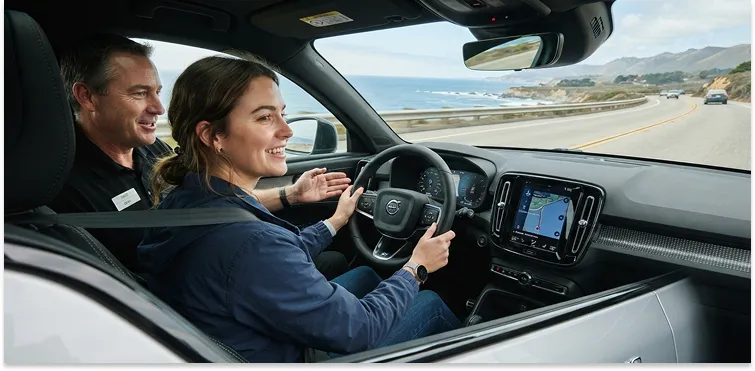
Buying a car is a major decision, especially when purchasing a used vehicle. While photos and seller descriptions can tell you a lot, a proper test drive helps you understand how the car actually performs on the road.
A test drive is more than driving around the block. It gives you the chance to check the engine, transmission, brakes, steering, suspension, comfort, and important features while looking for potential problems.
Knowing how to test drive a car properly before buying can help you make a confident decision, identify hidden issues, and avoid expensive repairs in the future.
Why a Proper Test Drive Is Important
A proper test drive helps you discover problems that may not be visible during a simple visual inspection.
This is especially important when buying a car for the first time, as you can learn how the vehicle behaves when starting, accelerating, braking, turning, and driving over different road surfaces.
During a test drive, pay attention to:
- Unusual engine noises
- Delayed or rough gear changes
- Brake vibrations or squeaking
- Steering problems
- Suspension noises
- Warning lights
- Poor acceleration
- Excessive road noise
- Uncomfortable driving position
- Problems with air conditioning or other features
A test drive also helps you decide whether the car suits your everyday needs. Even if a vehicle is mechanically sound, it may not be comfortable, practical, or enjoyable for you to drive.
Step 1: Check the Car Before Starting the Test Drive
Before getting behind the wheel, take a few minutes to inspect the car while it is parked. Do not immediately start the engine and drive away. Following a complete car inspection checklist can help you examine the vehicle more carefully and avoid missing important warning signs.
Walk around the vehicle and check the body panels for differences in paint colour, dents, scratches, rust, or signs of previous repairs. Uneven gaps between doors, the bonnet, and the boot may indicate that the vehicle has been involved in an accident.
Also inspect the tyres. Look for:
- Uneven tyre wear
- Cracks or damage
- Low tread depth
- Different tyre brands on the same axle
Check the windscreen, windows, lights, mirrors, and number plates. Open and close the doors, bonnet, and boot to make sure they work properly.
If possible, inspect the car when the engine is cold. A seller may warm up a vehicle before you arrive to hide difficult starting, excessive smoke, or unusual engine noises.
Step 2: Start the Engine and Listen Carefully
When you start the car, pay close attention to how the engine behaves.
A healthy engine should generally start smoothly without excessive delay. Listen for unusual knocking, ticking, rattling, squealing, or grinding sounds. Some engines naturally make more noise than others, but sudden or abnormal sounds should not be ignored.
Check the dashboard after starting the engine. Warning lights should normally switch off after the engine starts. Pay particular attention to the:
- Check engine light
- Oil pressure warning light
- Battery warning light
- ABS warning light
- Airbag warning light
If a warning light remains illuminated, ask the seller about it. Do not assume that a warning light is a minor issue.
Allow the engine to idle for a short time. Check whether the engine runs smoothly or whether the car vibrates excessively. Also look for unusual exhaust smoke, especially when accelerating.
Step 3: Test the Car at Low Speed
Start the test drive in a quiet area, parking lot, or residential road where you can focus on the vehicle.
At low speed, check how smoothly the car moves away from a stop. The engine should respond without excessive hesitation, jerking, or stalling.
If the vehicle has an automatic transmission, pay attention to gear changes. Shifting should generally feel smooth. Strong jolts, delays, or slipping may indicate a transmission problem.
If the car has a manual gearbox, test the clutch and gear changes. The clutch should not feel excessively high or difficult to control. Gears should engage without grinding.
At low speed, turn the steering wheel and listen for clicking, knocking, or unusual noises. This is also a good time to test the parking brake and basic controls.
Step 4: Test the Car at Different Speeds
A proper test drive should include a range of driving conditions. If possible, drive through city streets, on open roads, and at higher speeds where it is legal and safe to do so.
At low speeds, you can check manoeuvrability and the transmission. At higher speeds, you can evaluate the engine, stability, steering, and road noise.
Pay attention to whether the car:
- Accelerates smoothly
- Maintains speed comfortably
- Feels stable on the road
- Pulls to one side
- Vibrates through the steering wheel
- Produces excessive wind or road noise
Do not drive aggressively or exceed speed limits. The purpose of the test drive is to understand the vehicle’s normal behaviour, not to push it beyond safe limits.
If the car has cruise control, test it on a suitable road. Check whether the vehicle maintains speed properly and whether the system engages and disengages normally.
Step 5: Test the Brakes, Steering, and Suspension
The braking system is one of the most important parts of any vehicle. Test the brakes in a safe area with no traffic around you.
The brake pedal should feel firm and responsive. The car should stop smoothly without pulling strongly to one side.
Pay attention to:
- Grinding sounds
- Excessive squeaking
- Brake pedal vibration
- A soft or spongy pedal
- Strong pulling while braking
Next, test the steering. The vehicle should respond predictably when you turn the steering wheel. If the car constantly pulls to one side, it may have an alignment, tyre, suspension, or other mechanical issue.
The suspension should also be tested on different road surfaces. Drive carefully over speed bumps or uneven roads and listen for knocking, clunking, or rattling noises. A car with worn suspension components may feel unstable or uncomfortable.
Step 6: Test the Car’s Main Features
A modern car can have many electronic and comfort features, so test as many as possible before buying.
One of the common mistakes people make when buying a car is assuming that every feature works simply because it is listed in the vehicle’s specifications.
Check the:
- Air conditioning and heating
- Power windows
- Central locking
- Infotainment system
- Bluetooth connection
- Navigation system
- Reversing camera
- Parking sensors
- Headlights and indicators
- Wipers and washers
- Heated seats
- Electric seats
- Sunroof
- Adaptive cruise control
- Lane departure warning
- Blind-spot monitoring
Do not assume that every feature works simply because it is listed in the vehicle’s specification.
If you are buying an electric or hybrid car, pay additional attention to the battery information, driving range, charging system, regenerative braking, and driving modes.
What to Look for During a Car Test Drive
During the test drive, try to focus on how the car feels rather than simply enjoying the drive.
Ask yourself:
- Does the engine feel smooth?
The vehicle should accelerate without excessive hesitation or strange noises. - Does the transmission work properly?
Gear changes should feel reasonably smooth and predictable. - Does the car brake confidently?
The vehicle should stop in a straight line without excessive vibration. - Does the steering feel normal?
The steering should not feel unusually loose, heavy, or unpredictable. - Is the ride comfortable?
Pay attention to how the car handles potholes, speed bumps, and uneven roads. - Are there unusual smells or sounds?
Burning smells, fuel smells, excessive exhaust fumes, or strange mechanical noises should be investigated.
How Long Should You Test Drive a Car?
Ideally, you should test drive a car for at least 20 to 30 minutes. This gives you enough time to experience different speeds, road conditions, traffic situations, and vehicle functions.
A five-minute drive around the block may not reveal problems that appear once the engine becomes hot. It may also not give you enough time to properly test the brakes, transmission, air conditioning, and driving comfort.
If a seller refuses to allow a reasonable test drive without a valid reason, consider this a warning sign. A genuine seller should usually understand why a buyer wants to properly evaluate a vehicle before purchasing it.
Questions to Ask the Seller After the Test Drive
After driving the car, ask the seller direct questions about its history and condition. Being prepared can also help you spot dealer tricks to watch out for and avoid being rushed into a decision.
Useful questions include:
- Has the car ever been involved in an accident?
- Has the engine or transmission been repaired or replaced?
- When was the last service completed?
- Are there any current mechanical problems?
- Are any warning lights currently active?
- When were the tyres and brakes last replaced?
- Does the car have a complete service history?
- Are there outstanding finance or ownership issues?
- Why is the vehicle being sold?
- Are there any known faults that have not been repaired?
The answers should match the vehicle’s condition and available documentation. If the seller avoids simple questions or gives unclear answers, proceed carefully.
What to Do After Test Driving a Used Car
Do not feel pressured to make an immediate purchase decision after the test drive.
Take a few minutes to write down your observations, including any unusual sounds, warning lights, comfort issues, or mechanical concerns while they are still fresh in your mind.
This is especially important when buying a car on a tight budget, as unexpected repairs can quickly increase the overall cost.
You should also:
- Compare the car with similar vehicles.
- Review its service and maintenance history.
- Check the vehicle identification number and available history reports.
- Arrange an independent inspection.
- Obtain an estimated repair cost for any problems found.
- Compare the asking price with the vehicle’s condition and market value.
An independent mechanic can often identify problems that a normal buyer may miss. This is particularly important when buying a used car.
Common Car Test Drive Mistakes to Avoid
Avoid making a quick decision after driving around the block or focusing only on the car’s appearance and features. During the test drive, watch out for these common mistakes:
- Driving for only a few minutes: A short drive may not reveal problems with the engine, transmission, suspension, or brakes.
- Ignoring warning signs: Never overlook warning lights, unusual noises, vibrations, or strange smells.
- Letting the seller do all the driving: You should drive the car yourself to understand how it feels.
- Testing only the features you like: Check the vehicle’s important mechanical systems as well as its technology and comfort features.
- Skipping an independent inspection: A test drive is important, but a qualified mechanic may identify problems you missed.
- Allowing yourself to be pressured: Take your time and never buy a car simply because the seller is rushing you into a decision.
Complete Car Test Drive Checklist
Use this checklist when test driving a car to make sure you do not miss important things to look for when buying a car:
Before Driving
- Check the exterior condition
- Inspect the tyres
- Look for rust or accident damage
- Check the windscreen and lights
- Start the engine from cold if possible
- Check dashboard warning lights
- Listen for unusual engine noises
During the Drive
- Test acceleration
- Check gear changes
- Test the clutch if manual
- Test the brakes
- Check steering response
- Listen for suspension noises
- Drive at different speeds
- Check for vibrations
- Check whether the car pulls to one side
- Test the air conditioning and heating
- Test the infotainment system
- Test parking sensors and cameras
- Check driver assistance features
After the Drive
- Check for new warning lights
- Look for leaks under the car
- Ask about any problems you noticed
- Review the service history
- Arrange an independent inspection
- Compare the price with similar vehicles
When Should You Walk Away From a Car?
You should consider walking away if the seller refuses a reasonable test drive or independent inspection.
Signs of a bad car you should avoid include serious engine noises, transmission problems, overheating, major brake issues, persistent warning lights, severe rust, unsafe steering, or evidence of significant undisclosed accident damage.
You should also be cautious if the seller’s explanation does not match the condition of the vehicle. For example, a car described as being in “excellent condition” should not have multiple serious mechanical problems.
Remember that there are always other cars available. Walking away from a problematic vehicle may save you thousands in future repair costs.
Final Verdict
Knowing how to test drive a car properly before buying can help you make a smarter and safer purchasing decision. A proper test drive should include more than a quick trip around the block. You should inspect the vehicle before driving, listen carefully to the engine, test the transmission, check the brakes and steering, drive at different speeds, and test the car’s important features.
However, a test drive should not be your only step before buying a used car. Always review the vehicle’s history, check its service records, and consider arranging an independent inspection with a qualified mechanic.
The best approach is simple: take your time, pay attention to how the car feels, ask direct questions, and never ignore warning signs. A careful test drive can help you identify potential problems before you commit to the purchase and ensure that the car is genuinely right for you.