
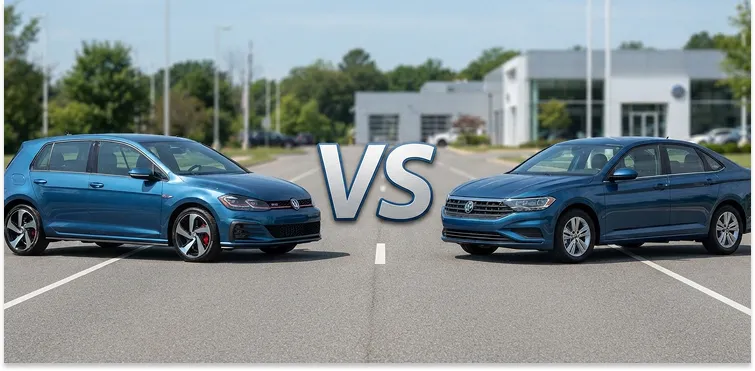
Choosing between a hatchback and a sedan is one of the most common decisions for car buyers. While both vehicle types are practical and comfortable, they are designed to meet different driving needs and lifestyles.
Hatchbacks are known for their versatility and compact design, whereas sedans are often preferred for their refined appearance, spacious cabins, and smooth highway performance.
Whether you’re planning to buy a car from a top seller or exploring different options online, understanding the differences between these two body styles can help you make a more confident decision.
In this guide, we’ll compare hatchbacks and sedans across the factors that matter most, helping you decide which one is the better fit for your daily driving, family needs, and budget.
Hatchback vs Sedan: Key Differences Explained
Before looking at each feature in detail, here’s a quick comparison of the biggest differences between hatchbacks and sedans.
This overview makes it easier to see how each body style compares in terms of practicality, comfort, performance, and everyday usability.
| Feature | Hatchback | Sedan |
| Body Style | Two-box design with rear liftgate | Three-box design with separate trunk |
| Overall Size | Generally shorter and more compact | Usually longer with a traditional profile |
| Cargo Access | Wide rear opening for easy loading | Smaller trunk opening |
| Cargo Capacity | Flexible with fold-flat rear seats | Dedicated enclosed trunk |
| Passenger Comfort | Practical and roomy for its size | Better rear-seat comfort in many models |
| Driving Feel | Agile and easy to maneuver | Stable and comfortable at higher speeds |
| Fuel Economy | Often slightly better due to lower weight | Efficient, especially on highways |
| Parking | Easier in tight city spaces | Requires more parking space |
| Appearance | Sporty and practical | Elegant and professional |
| Best For | City driving, young professionals, small families | Daily commuting, families, frequent highway travel |
Learn More:
- AWD vs FWD Explained
- Certified Pre-Owned vs Regular Used Car
- New vs Used Car
- Mercedes vs Porsche
- BMW vs Audi for US Military
- AWD vs 4WD
- Electric Cars vs Hybrid Cars
- Hybrid or Plug-In Hybrid
- FWD vs RWD When Buying a Used Car
- AWD vs RWD When Buying a Car
- Should You Buy or Lease a New Car
- 4WD vs AWD
Vehicle Size and Dimensions
The overall size of a vehicle affects how easy it is to drive, park, and carry passengers or luggage.
Hatchback
Hatchbacks are designed with a compact footprint, making them ideal for urban environments. Their shorter length makes navigating narrow streets and fitting into small parking spaces much easier. Despite their compact exterior, many hatchbacks make efficient use of interior space.
Sedan
Sedans are typically longer than hatchbacks because they include a separate trunk. The extra length often provides improved cabin proportions and a more balanced ride, especially on longer journeys.
Passenger Space and Interior Comfort
Passenger comfort plays an important role, especially if you regularly travel with family or friends.
Hatchback
Modern hatchbacks provide comfortable seating for four or five passengers. The upright roof design often creates generous headroom, while foldable rear seats add flexibility when carrying larger items.
Sedan
Sedans generally offer a quieter and more refined cabin. Many models provide better rear legroom and a more relaxed seating position, making them a preferred choice for long-distance travel.
Cargo Space and Storage Capacity
Cargo flexibility is one of the biggest differences between these two body styles.
Hatchback
A hatchback’s rear liftgate creates a large opening that makes loading bulky items much easier. Folding the rear seats significantly increases cargo space, allowing the vehicle to carry bicycles, luggage, furniture, or sports equipment with ease.
Sedan
Sedans feature a separate enclosed trunk that keeps luggage secure and hidden from view. Although the trunk opening is smaller, it is well suited for groceries, suitcases, and everyday storage needs.
Driving Experience and Handling
The way a vehicle feels on the road can greatly influence your ownership experience.
Hatchback
Thanks to their lighter weight and compact dimensions, hatchbacks often feel nimble and responsive.
They are easy to steer through traffic, quick to maneuver around corners, and enjoyable to drive in busy urban environments. Before buying, it’s also important to test drive a car properly to see how it feels in real driving conditions.
Sedan
Sedans usually provide a smoother ride with better high-speed stability.
Their longer wheelbase helps absorb road imperfections, making them more comfortable and composed for highway driving and longer trips.
When comparing used options, remember to check a car’s history before purchasing and check mileage when buying to ensure you’re getting a reliable vehicle.
Engine Performance and Power Options
Performance varies depending on the model, but each body style offers different strengths.
Hatchback
Many hatchbacks are equipped with efficient four-cylinder or turbocharged engines that balance performance with fuel economy. Performance-oriented hatchbacks also offer surprisingly quick acceleration.
Sedan
Sedans are available with a wider range of engines, from economical four-cylinder units to powerful turbocharged and V6 options. Buyers looking for stronger acceleration often have more choices in the sedan segment.
Fuel Economy and Running Costs
Fuel efficiency and ownership costs are major considerations for most buyers.
Hatchback
Because hatchbacks are often lighter, they typically consume less fuel during city driving. Lower tire, maintenance, and insurance costs also contribute to affordable ownership.
Sedan
Many modern sedans deliver excellent highway fuel economy. While some larger models may cost slightly more to maintain, compact sedans remain among the most economical vehicles to own.
Parking, Maneuverability, and City Driving
Daily commuting often involves busy roads and limited parking.
Hatchback
Hatchbacks are built for city driving. Their compact size, tighter turning radius, and better rear visibility make them easy to park, maneuver through narrow streets, and handle heavy traffic with confidence.
Sedan
Sedans are also comfortable to drive in the city, but their longer body may require more space when parking or making sharp turns. While still practical for everyday commuting, they are generally less agile than hatchbacks in tight urban environments.
Highway Comfort and Ride Stability
If you frequently travel long distances, highway comfort becomes increasingly important.
Hatchback
Most hatchbacks provide a comfortable and confident highway driving experience. However, their shorter wheelbase may make road imperfections and bumps slightly more noticeable, especially on rough or uneven roads. They still offer a smooth ride for everyday highway travel.
Sedan
Sedans are generally the better choice for long-distance driving. Their longer wheelbase provides greater stability at higher speeds, while improved suspension and better cabin insulation help deliver a smoother, quieter, and more comfortable ride on highways.
Safety Features and Crash Protection
Safety technology has improved significantly across both vehicle types.
Hatchback
Modern hatchbacks often include features like airbags, stability control, anti-lock brakes, rearview cameras, and driver assistance systems. If buying used, checking for signs a used car has been in an accident can help ensure the vehicle is safe and reliable.
Sedan
Sedans offer similar safety features and may include more advanced systems in higher trims. Their stable design makes them a popular choice for families, but being aware of dealer tricks to watch and common mistakes people make when buying can help you avoid potential issues.
Technology and Interior Features
Today’s vehicles offer more technology than ever before.
Hatchback
Hatchbacks frequently include touchscreen infotainment systems, smartphone connectivity through Apple CarPlay and Android Auto, wireless charging, USB ports, and digital instrument displays.
Sedan
Sedans often provide the same technology while offering additional luxury features such as larger infotainment screens, premium audio systems, ventilated seats, ambient lighting, and advanced climate control.
Maintenance Costs and Reliability
Long-term ownership costs vary depending on the manufacturer and maintenance schedule.
Hatchback
Hatchbacks generally have lower maintenance costs due to their smaller engines and simpler mechanical components. Many popular models are known for excellent reliability.
Sedan
Sedans are also highly reliable, particularly models from established manufacturers. Maintenance costs remain reasonable for compact sedans, while larger or luxury sedans may require higher servicing expenses.
Price, Resale Value, and Overall Ownership Cost
The purchase price is only one part of the total ownership experience. When choosing between a hatchback and a sedan, it’s important to consider long-term costs, resale value, fuel efficiency, and how to buy a car the smart way by comparing options carefully before making a decision.
Hatchback
Hatchbacks usually have lower starting prices, making them an attractive choice for first-time buyers and those looking for an affordable vehicle.
Their smaller engines and efficient fuel consumption can also help reduce long-term running costs. To get better value, buyers should avoid overpaying by researching market prices and comparing similar models before purchase.
Sedan
Sedans often maintain strong resale value, especially popular models known for reliability and durability.
While they may have a slightly higher upfront cost, their added comfort, refined driving experience, and long-term appeal can make them a worthwhile investment.
Taking time to negotiate the best price can help ensure you get the right sedan at a fair value.
Hatchback vs Sedan: Which Is Better for Different Buyers?
The right choice depends on how and where you drive.
- Choose a hatchback if you: primarily drive in the city, need flexible cargo space, want easy parking, or are buying your first car.
- Choose a sedan if you: regularly travel on highways, prioritize passenger comfort, prefer a quieter ride, or want a more traditional and premium-looking vehicle.
- For small families: Both body styles work well, but hatchbacks offer greater cargo flexibility while sedans provide additional rear-seat comfort.
- For long-distance commuters: Sedans generally deliver better highway comfort and ride stability.
- For budget-conscious buyers: Hatchbacks usually have lower purchase prices and running costs.
Popular Hatchback and Sedan Models to Consider
If you’re still deciding between a hatchback and a sedan, comparing some of the most popular models can help you narrow down your options. Here are a few well-known choices that offer a good mix of reliability, comfort, performance, and value.
Popular Hatchback Models
- Toyota Corolla Hatchback – Reliable, fuel-efficient, and packed with modern safety features.
- Honda Civic Hatchback – Spacious, sporty, and enjoyable to drive every day.
- Mazda3 Hatchback – Premium interior with responsive handling and stylish design.
- Volkswagen Golf – Comfortable, practical, and known for its refined driving experience.
- Hyundai i30 – Well-equipped with advanced technology and excellent value for money.
- Kia Rio Hatchback – Affordable, easy to maintain, and ideal for city driving.
Popular Sedan Models
- Toyota Corolla Sedan – A dependable choice offering comfort, efficiency, and strong resale value.
- Honda Civic Sedan – Combines smooth performance, a spacious cabin, and excellent fuel economy.
- Hyundai Elantra – Modern styling, advanced technology, and impressive overall value.
- Mazda3 Sedan – Delivers a premium feel with engaging performance and upscale features.
- Nissan Sentra – Comfortable ride, generous interior space, and practical everyday usability.
- Volkswagen Jetta – Offers refined highway performance, a comfortable cabin, and efficient engines.
Final Verdict
Both hatchbacks and sedans offer excellent value, comfort, and reliability, but they suit different driving needs.
A hatchback is the better option if you want a compact, versatile vehicle that’s easy to park and provides flexible cargo space for everyday life.
A sedan is the stronger choice if you prioritize passenger comfort, highway stability, a quieter cabin, and a more refined driving experience.
Before making your decision, consider your daily commute, parking availability, cargo needs, passenger requirements, and long-term ownership costs.
By choosing the body style that matches your lifestyle, you’ll enjoy a vehicle that delivers the right balance of practicality, comfort, and value for years to come.