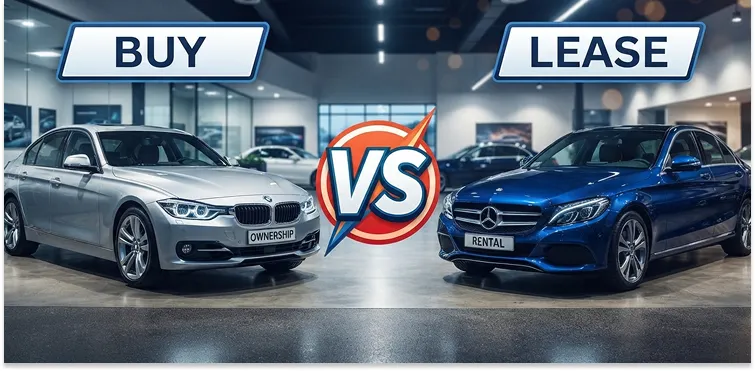
Buying or leasing a new car is a major decision that depends on your budget, driving habits, and plans. Both options have different benefits, so understanding how they work can help you make the right choice, especially when you buy a car from a top dealer with confidence.
When you buy a car, you own the vehicle and can keep, sell, or customize it as you wish. When you lease, you pay to use a car for a set period with lower payments but without ownership.
This guide explains the key differences between buying and leasing a new car to help you decide which option best fits your lifestyle, driving needs, and financial goals.
Buying vs Leasing a New Car: Key Differences at a Glance
Before comparing both options in detail, it helps to understand how buying and leasing differ across key factors such as ownership, costs, flexibility, and long-term value. The table below provides a quick overview to make the choice easier.
| Factor | Buying a New Car | Leasing a New Car |
| Ownership | You own the vehicle after completing payments | The leasing company owns the vehicle |
| Monthly Payments | Usually higher | Usually lower |
| Long-Term Cost | Can be lower if you keep the car for years | Can cost more if you continuously lease |
| Mileage | No mileage restrictions after purchase | Usually has annual mileage limits |
| Maintenance | Owner manages maintenance after warranty period | Often covered during lease term |
| Depreciation Risk | Owner takes the depreciation loss | Leasing company handles depreciation |
| Customization | Freedom to modify the vehicle | Limited customization options |
| End-of-Term Options | Keep, sell, or trade the car | Return, buy, or lease another vehicle |
| Resale Value | Owner benefits from resale value | No ownership equity |
Learn More:
- AWD vs FWD Explained
- Certified Pre-Owned vs Regular Used Car
- New vs Used Car
- Mercedes vs Porsche
- BMW vs Audi for US Military
- AWD vs 4WD
- Electric Cars vs Hybrid Cars
- Hybrid or Plug-In Hybrid
- FWD vs RWD When Buying a Used Car
- AWD vs RWD When Buying a Car
Ownership vs Usage
The biggest difference between buying and leasing comes down to one simple question:
Do you want to own the car, or do you mainly want to use the car?
Buying a Car
When you buy a new car, you are purchasing the vehicle through cash payment or an auto loan. Over time, you build ownership and gain full control over the vehicle.
Once your financing is complete, you can continue driving the car without monthly payments, which can significantly reduce your transportation costs in the long run.
Buying is often preferred by drivers who want stability, long-term savings, and complete ownership freedom.
Leasing a Car
Leasing a new car works similarly to a long-term rental agreement. You pay monthly fees to use the vehicle for a specific period, usually between two and four years.
At the end of the lease, you typically have three choices:
- Return the vehicle
- Purchase the car based on its remaining value
- Lease a newer model
Leasing is popular among drivers who enjoy upgrading to the latest vehicles with updated technology, safety features, and improved fuel efficiency.
Monthly Payments
Monthly payments can be one of the biggest factors when choosing between buying and leasing a new car. Here’s how both options compare in terms of affordability and overall cost.
Buying a Car
Monthly payments are usually higher when buying because you are paying toward the full purchase price of the vehicle. Your payment depends on factors such as:
- Vehicle price
- Loan term
- Interest rate
- Down payment amount
Although payments may be higher initially, you eventually own the vehicle.
Leasing a Car
Lease payments are generally lower because you are only paying for the vehicle’s depreciation during the lease period, along with fees and interest.
Lower monthly payments can make expensive vehicles more affordable, but you do not build equity.
Long-Term Cost
The long-term cost of a car goes beyond monthly payments. Understanding how buying and leasing affect your overall expenses can help you choose the option that provides the best value over time.
Buying a Car
Buying usually becomes more cost-effective if you plan to keep your vehicle for many years.
After paying off your auto loan, you can drive the car without monthly payments, making ownership cheaper over time. A well-maintained vehicle can provide reliable transportation for many years.
Leasing a Car
Leasing may appear cheaper in the short term because of lower payments, but continuously leasing vehicles means you always have an ongoing monthly expense.
Since you never fully own the vehicle, you do not gain an asset that can later be sold.
Mileage Limits
Mileage limits can significantly impact your decision, especially if you drive frequently or travel long distances. Here’s how buying and leasing compare when it comes to mileage flexibility and restrictions.
Buying a Car
One major advantage of buying is unlimited mileage. Once you own the car, you can drive as much as you want without worrying about mileage penalties.
This makes buying ideal for:
- Long-distance commuters
- Frequent travelers
- Drivers with unpredictable mileage needs
Leasing a Car
Most lease agreements include annual mileage limits, commonly ranging from 10,000 to 15,000 miles per year.
Exceeding these limits usually results in additional charges. Drivers who know their yearly mileage should carefully consider lease terms before signing.
Maintenance Costs
Maintenance costs are another important factor when choosing between buying and leasing a new car. Understanding who handles repairs and how expenses change over time can help you make the right choice.
Buying a Car
When you buy a car, you are responsible for maintenance and repair costs once the warranty ends. Regular servicing and proper care can help keep the vehicle reliable and reduce future expenses.
However, older vehicles may require more repairs over time, which means maintenance costs can increase as the car gets more miles.
Leasing a Car
When you lease a car, maintenance costs are usually lower because the vehicle is newer and often covered by the manufacturer’s warranty. This helps you avoid many unexpected repair expenses.
Leasing also provides more predictable ownership costs since you typically drive the car during its most reliable years.
Depreciation Risk
Depreciation is one of the highest costs of owning a new car. Understanding how buying and leasing handle vehicle value loss can help you decide which option reduces your financial risk.
Buying a Car
When you buy a car, you take responsibility for depreciation, as a new vehicle usually loses value over time. The biggest drop often happens during the first few years of ownership.
However, keeping the car longer and maintaining it properly can help reduce the impact of depreciation and increase its resale value.
Leasing a Car
With a lease, the leasing company takes care of the vehicle’s future resale value and depreciation risk. You are not responsible for changes in the car’s market value.
This makes leasing a more predictable option, as you do not have to worry about depreciation, lower demand, or unexpected drops in resale value.
Customization Options
Customization options can make a big difference for drivers who want to personalize their vehicle. Here’s how buying and leasing compare when it comes to making changes and adding personal touches.
Buying a Car
Ownership gives you complete freedom to customize your vehicle. You can add:
- New wheels
- Performance upgrades
- Interior changes
- Audio systems
- Accessories
Because you own the car, you can personalize it however you want.
Leasing a Car
Lease vehicles usually must be returned in their original condition. Major modifications are generally not allowed because the vehicle belongs to the leasing company.
End-of-Term Options
The end of your agreement determines what happens next with the vehicle. Understanding the available options after buying or leasing can help you plan your next step with confidence.
Buying a Car
Once you finish your loan payments, you have full ownership of the vehicle and complete control over your next steps. You can keep it, sell it privately, trade it in, or use it as a valuable asset.
Owning the car gives you long-term flexibility because you can decide when and how to replace or sell the vehicle without restrictions.
Leasing a Car
At the end of a lease agreement, you usually have a few options: return the vehicle, purchase it, or start a new lease for a newer model.
This flexibility is ideal for drivers who enjoy upgrading their car every few years without committing to long-term ownership.
Resale Value
Resale value plays an important role in the overall financial impact of owning a vehicle. Understanding how buying and leasing affect future value can help you determine which option offers better long-term benefits.
Buying a Car
When you buy a car, you own the vehicle and can benefit from its resale value in the future. A well-maintained car can still provide financial value when you decide to sell or trade it.
You also have full control over when and how you sell the vehicle, allowing you to get the best possible value based on market conditions.
Leasing a Car
When you lease a car, you do not build equity because the vehicle belongs to the leasing company. You will not receive any resale benefits when the lease ends.
Instead, you return the vehicle, purchase it, or start a new lease if you want to continue driving it.
Driving Habits and Lifestyle
Your daily routine plays an important role in deciding whether buying or leasing is better.
Buying may suit you if you:
- Drive many miles each year
- Want to keep a car for a long time
- Prefer ownership freedom
- Want to avoid monthly payments in the future
Leasing may suit you if you:
- Prefer driving newer models
- Want lower monthly payments
- Enjoy updated technology and safety features
- Drive predictable mileage
Factors to Consider Before Buying or Leasing a New Car
Before choosing between buying or leasing a new car, consider a few important factors that can affect your overall experience and costs. Reviewing these points will help you find the option that best matches your lifestyle and financial goals.
Key factors to consider include:
- Your Budget: Compare monthly payments, upfront costs, insurance, and other ownership expenses.
- Your Driving Habits: Consider how many miles you drive and whether mileage limits could affect your choice.
- How Long You Keep Cars: If you prefer keeping a vehicle for many years, buying may offer better value.
- Your Need for Flexibility: Think about whether you want ownership freedom or the ability to upgrade to a newer car regularly.
When Buying a New Car Makes More Sense
Buying is often the better choice when:
- You want to own the vehicle permanently
- You drive more than average
- You want unlimited mileage
- You plan to keep the car for many years
- You want the option to sell the vehicle later
Ownership provides more financial benefits over time, especially after the loan is paid off.
When Leasing a New Car Makes More Sense
Leasing may be a better option when:
- You prefer driving a new car every few years
- You want lower monthly payments
- You do not want to worry about depreciation
- You prefer warranty-covered maintenance
- You have consistent driving habits
Leasing offers convenience and flexibility for drivers who value having the latest vehicle features.
How to Decide: Should You Buy or Lease a New Car?
To make the right decision, ask yourself these questions:
How long do I plan to keep the car?
If you want long-term ownership, buying is usually better.
How many miles do I drive each year?
High mileage often favors buying.
Do I want the newest technology frequently?
If yes, leasing may be more attractive.
Do I want an asset I can sell later?
Buying gives you ownership value.
Do I prefer lower monthly payments?
Leasing may provide more affordable short-term costs.
There is no universal answer. The best choice depends on your personal financial situation and lifestyle.
Final Thoughts
Choosing between buying or leasing a new car depends on your priorities. Buying offers long-term ownership, unlimited mileage, customization freedom, and potential resale value. Leasing provides lower monthly payments, access to newer vehicles, and fewer concerns about depreciation.
If you plan to keep your car for many years and want maximum financial value, buying is often the better option. However, if you enjoy driving a new vehicle every few years and prefer predictable costs, leasing may be the right choice.
Before signing any agreement, compare the total costs, understand the terms, and choose the option that best fits your driving habits and financial goals.