
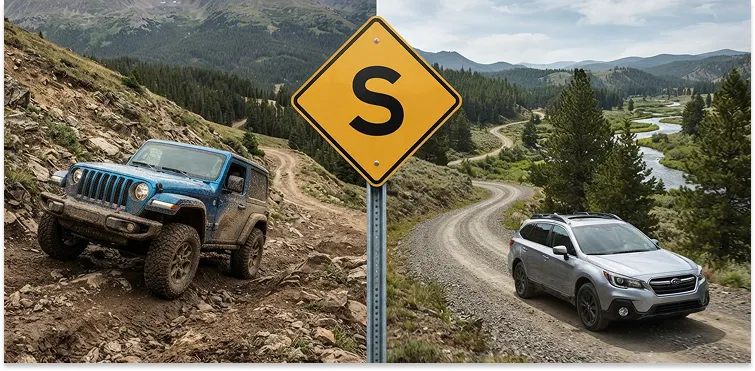
Choosing between 4WD and AWD can affect your car’s performance, traction, fuel efficiency, and overall driving experience. Both systems power all four wheels but are designed for different driving needs.
4WD (Four-Wheel Drive) is built for off-road driving, towing, and challenging terrain, while AWD (All-Wheel Drive) focuses on everyday road performance, stability, and better grip in changing weather conditions. When you plan to buy a car from a top dealer, understanding these drivetrain options can help you make a more confident choice.
Knowing the key differences between 4WD vs AWD allows you to select the right vehicle based on your lifestyle, driving environment, and long-term ownership goals.
4WD vs AWD: Key Differences Explained
Understanding the key differences between 4WD and AWD can help you choose the right drivetrain for your driving needs.
| Comparison Point | 4WD (Four-Wheel Drive) | AWD (All-Wheel Drive) |
| How the System Works | Sends power to all four wheels, usually through a selectable drivetrain system. | Automatically distributes power between all four wheels based on traction conditions. |
| Power Distribution | Often provides equal power to front and rear axles when activated. | Continuously adjusts power between wheels to improve grip. |
| Driving Purpose | Designed mainly for off-road driving, towing, and extreme conditions. | Designed for everyday driving, wet roads, and improved road traction. |
| Off-Road Capability | Excellent for mud, sand, rocks, snow, and rough terrain. | Good for light off-road conditions but not extreme trails. |
| Road Performance | Strong in difficult conditions but can feel heavier on normal roads. | Provides smooth handling and better everyday driving comfort. |
| Weather Performance | Performs well in deep snow and harsh environments when properly used. | Automatically improves traction during rain, snow, and slippery roads. |
| Fuel Efficiency | Usually consumes more fuel due to heavier components and drivetrain design. | Generally more fuel-efficient than traditional 4WD systems. |
| Driving Control | Often requires the driver to select different modes manually. | Works automatically without much driver input. |
| Maintenance Costs | Usually higher due to more complex mechanical components. | Often has lower maintenance requirements. |
| Towing Capability | Better suited for heavy towing and hauling. | Suitable for moderate towing needs. |
| Handling and Stability | Provides strong traction but may feel less agile on highways. | Offers better cornering stability and balanced handling. |
| Best For | Off-road enthusiasts, trucks, SUVs, and outdoor activities. | Families, commuters, and drivers needing extra road confidence. |
Learn More:
- AWD vs FWD Explained
- Certified Pre-Owned vs Regular Used Car
- New vs Used Car
- Mercedes vs Porsche
- BMW vs Audi for US Military
- AWD vs 4WD
- Electric Cars vs Hybrid Cars
- Hybrid or Plug-In Hybrid
- FWD vs RWD When Buying a Used Car
- AWD vs RWD When Buying a Car
- Should You Buy or Lease a New Car
How the System Works
Both 4WD and AWD systems improve traction by powering all four wheels, but they use different methods. 4WD is built for tough conditions, while AWD focuses on automatic traction support for everyday driving.
4WD (Four-Wheel Drive)
A 4WD system sends engine power to all four wheels through components like a transfer case and differentials. Drivers can usually switch between modes such as 2WD, 4H for slippery roads, and 4L for extreme terrain.
It is commonly found in off-road vehicles like the Toyota Land Cruiser, Jeep Wrangler, and Ford Bronco, offering strong traction for mud, snow, and rough surfaces.
AWD (All-Wheel Drive)
An AWD system automatically adjusts power between all four wheels based on road conditions and traction levels. It uses sensors to improve grip without requiring driver input.
AWD is popular in cars and SUVs from brands like Subaru, Audi, and Volvo, providing better stability during rain, snow, and everyday driving.
Power Distribution
Both 4WD and AWD systems distribute power to improve traction, but they handle power delivery differently.
4WD focuses on maximum traction, while AWD automatically adjusts power based on driving conditions.
4WD
A 4WD system provides strong and consistent power to all four wheels when activated. It is designed to maintain traction on challenging surfaces like:
- Deep mud
- Loose sand
- Rocky trails
- Steep inclines
Because of its heavy-duty design, 4WD can create more drivetrain resistance during normal driving. Before buying, it is important to check a car’s history before making a decision, especially for vehicles used in tough conditions.
AWD
AWD systems automatically adjust power distribution based on traction and road conditions. They send more power to wheels with better grip when slipping occurs.
This makes AWD a convenient option for everyday driving, helping improve stability and efficiency.
Understanding these differences can help you avoid overpaying, recognize common mistakes people make when buying, and negotiate the best price for the right vehicle.
Driving Purpose
The main difference between 4WD and AWD is the type of driving conditions they are designed for.
4WD is built for challenging environments, while AWD improves traction, stability, and confidence during everyday driving.
Understanding these differences is especially helpful when buying a car for the first time, as it helps you choose a vehicle that matches your needs.
4WD
The main purpose of 4WD is handling difficult terrain and heavy-duty driving situations. It is commonly found in:
- Pickup trucks
- Adventure SUVs
- Off-road vehicles
- Utility vehicles
Drivers who frequently explore rural areas, drive on rough terrain, or need strong towing performance often prefer 4WD.
Before making a purchase, it is also important to check mileage when buying to understand the vehicle’s usage and long-term condition.
AWD
AWD focuses on improving everyday driving confidence by providing better traction and stability on different road surfaces. It helps drivers maintain control on:
- Wet highways
- Snow-covered roads
- Curvy roads
- Uneven surfaces
AWD is ideal for drivers who want extra grip without needing a specialized off-road vehicle.
During the buying process, taking time to test drive a car properly can help you experience how the AWD system performs in real driving conditions.
Off-Road Capability
When it comes to off-road performance, 4WD and AWD serve different purposes. 4WD is designed for extreme terrain, while AWD provides extra traction for lighter off-road situations and everyday driving conditions.
4WD
When it comes to serious off-road driving, 4WD has a clear advantage. Features such as low-range gearing, locking differentials, and higher ground clearance make 4WD vehicles more capable on challenging terrain.
A 4WD vehicle is better suited for:
- Rock crawling
- Deep snow
- Mud trails
- Desert driving
AWD
AWD can handle light off-road situations, such as gravel roads, dirt paths, and mild trails. However, most AWD systems are not designed for extreme conditions.
AWD provides traction assistance but does not offer the same level of durability and control as a dedicated 4WD system.
Road Performance
When comparing 4WD vs AWD on regular roads, AWD is usually designed for comfort and smooth handling, while 4WD focuses more on traction and durability in demanding conditions.
4WD
4WD vehicles provide excellent traction but are often heavier and less focused on smooth highway performance.
They may feel:
- Heavier during cornering
- Less fuel-efficient
- More mechanical during daily driving
AWD
AWD vehicles generally provide a smoother driving experience. The automatic power adjustment improves:
- Cornering stability
- Road grip
- Driver confidence
This makes AWD popular among crossover SUVs and performance vehicles.
Weather Performance
Both 4WD and AWD systems help improve traction and stability in challenging weather conditions. However, they are designed for different levels of performance, with 4WD focused on extreme conditions and AWD built for everyday weather changes.
4WD
4WD provides excellent control in severe weather conditions by delivering power to all four wheels when maximum traction is needed. It performs well on heavy snow, mountain roads, and other extreme environments.
It is a strong choice for drivers who regularly face harsh conditions or travel through areas where extra traction and durability are important.
AWD
AWD offers dependable traction in changing weather conditions by automatically adjusting power between wheels based on available grip. It helps maintain stability without requiring the driver to switch modes.
AWD is ideal for everyday driving in rain, light snow, and icy conditions, providing added confidence and control on normal roads.
Fuel Efficiency
Fuel efficiency is an important consideration when comparing 4WD and AWD vehicles. Their drivetrain designs affect how much power is used during everyday driving.
4WD
4WD vehicles usually consume more fuel because they include heavier components and additional drivetrain parts designed for maximum traction and durability.
The added weight and mechanical complexity can increase fuel consumption, especially when driving mostly on normal roads.
AWD
AWD systems are generally more fuel-efficient because they automatically adjust power distribution based on driving conditions.
By sending power only where needed, AWD helps reduce unnecessary energy use while maintaining good traction and stability.
Towing Capability
When it comes to towing, the right drivetrain system can affect power, control, and vehicle capability. 4WD is designed for heavier loads, while AWD is better suited for lighter towing needs.
4WD
4WD is usually the better option for heavy towing because it provides stronger traction and power delivery. Trucks and large SUVs with 4WD systems can handle larger trailers, boats, and heavy equipment.
Its added capability makes 4WD a preferred choice for drivers who regularly tow or carry heavy loads in challenging conditions.
AWD
AWD can handle towing but is better suited for lighter loads such as small trailers, campers, or recreational equipment.
It provides improved traction and stability during towing but may not offer the same heavy-duty capability as a dedicated 4WD system.
Maintenance Costs
Maintenance costs are another important factor when comparing 4WD and AWD vehicles, as drivetrain complexity can affect servicing requirements and long-term ownership expenses.
Knowing what to look for when buying a vehicle can help you understand potential repair costs before making a decision.
4WD
4WD systems can have higher maintenance costs because they include more mechanical components, such as transfer cases, differentials, and additional drivetrain parts.
Regular servicing is important to maintain performance, especially for vehicles frequently used for off-road driving. If you want to buy a brand-new car the smart way, considering future maintenance expenses is just as important as the initial purchase price.
AWD
AWD systems may require less maintenance compared to traditional 4WD systems because they operate automatically and use advanced electronic controls.
However, repairs can still be costly due to sensors, computer-controlled components, and specialized drivetrain technology.
Checking maintenance records can also help identify signs of a bad used car you should avoid and prevent unexpected repair costs. Understanding common dealer tricks to watch out for can also help you make a more informed vehicle purchase.
AWD vs 4WD: Which One Is Better for Different Driving Needs?
The right choice between AWD and 4WD depends on your driving habits, road conditions, and vehicle requirements.
AWD is better suited for everyday driving and changing weather, while 4WD is designed for demanding terrain, heavy towing, and off-road use.
| Driving Need | Recommended System | Why It Fits |
| Daily commuting | AWD | Provides smooth handling and better traction for regular road driving. |
| Driving in rain and snow | AWD | Automatically improves grip on slippery roads. |
| Family SUV use | AWD | Offers comfort, stability, and confidence for daily travel. |
| Off-road adventures | 4WD | Delivers stronger traction on rough and uneven terrain. |
| Heavy towing | 4WD | Provides the power and control needed for larger loads. |
| Mountain driving | 4WD | Handles steep roads and challenging surfaces more effectively. |
| Occasional bad weather | AWD | Provides extra safety without requiring manual adjustments. |
| Outdoor activities | 4WD | Better suited for camping, trails, and remote locations. |
4WD vs AWD: Which Vehicles Use These Systems?
Both 4WD and AWD systems are available in different types of vehicles, from off-road SUVs to everyday passenger cars. The choice usually depends on whether the vehicle is built for extreme terrain or improved road performance.
Vehicles Commonly Using 4WD
4WD systems are commonly found in trucks and rugged SUVs designed for off-road driving, towing, and challenging environments. These vehicles provide strong traction and durability for demanding conditions.
Examples of popular 4WD vehicles include:
- Toyota Land Cruiser
- Jeep Wrangler
- Ford Bronco
- Toyota Tacoma
- Chevrolet Silverado 4×4
Vehicles Commonly Using AWD
AWD systems are popular in cars, crossovers, and SUVs that focus on everyday comfort, stability, and better traction in changing weather conditions.
Examples of popular AWD vehicles include:
- Subaru Outback
- Audi Quattro models
- Volvo XC60 AWD
- BMW xDrive models
- Mercedes-Benz 4MATIC models
Final Thoughts
Choosing between 4WD vs AWD depends on your driving habits and vehicle requirements.
If you need a vehicle for serious off-road adventures, heavy towing, or challenging terrain, 4WD is the better option because it provides maximum traction and durability.
However, if you mainly drive on highways, city roads, or areas with changing weather conditions, AWD offers better convenience, smoother handling, and improved everyday safety.
Before buying a car, consider your typical driving environment, maintenance budget, fuel expectations, and performance needs. The right drivetrain system will help you get better value and confidence from your vehicle for years to come.