
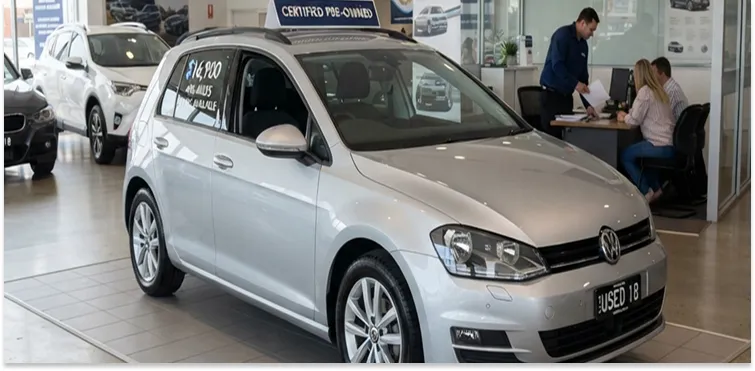
Buying a second-hand car can be one of the smartest financial decisions you make, especially if you want reliable transportation without the high cost of a new vehicle. It allows you to get good value for money while still owning a dependable car.
However, used cars always come with a history, and that history can include both proper maintenance and hidden issues. This is why careful inspection and smart decision-making are so important.
In this guide, you’ll learn exactly what to look for before buying a second-hand car, so you can avoid costly mistakes and make a confident, well-informed purchase.
Why Used Cars Are a Smart Choice
Used cars are becoming increasingly popular worldwide because they offer a practical balance between affordability and everyday functionality. For many buyers, they provide far better value than purchasing a brand-new vehicle.
One of the biggest advantages is cost savings. A new car loses a large portion of its value within the first few years, while a used car allows you to avoid that initial depreciation. This means you can often afford a better model for the same budget.
In addition, used cars usually come with lower insurance costs and a wider variety of options within your price range. With modern engineering, even older vehicles can remain highly reliable when properly maintained, making them a smart long-term choice.
Understanding the Second-Hand Car Market
The second-hand car market is dynamic and varies based on location, demand, fuel prices, and even economic conditions. Understanding how it works helps you make better decisions, especially when comparing new vs used car options before making a purchase.
You’ll typically find three main types of sellers:
- Dealerships: Offer inspected vehicles, sometimes with warranties, but at slightly higher prices.
- Private sellers: Usually cheaper, but require more due diligence.
- Online marketplaces: A mix of both, offering convenience but requiring careful verification.
Car prices depend on several factors:
- Brand reputation (Toyota, Honda, etc., tend to retain value well)
- Mileage and age of the car
- Condition and maintenance history
- Fuel type (petrol, diesel, hybrid)
- Market demand for that specific model
Understanding these factors helps you identify whether a deal is fair or overpriced.
Budget Planning and Total Cost of Ownership
When buying a used car, your budget should go beyond just the purchase price. Many buyers make the mistake of focusing only on what they pay upfront, but the real cost includes ongoing expenses.
This is especially important when buying a car on a tight budget, where every additional cost can affect your overall affordability.
Here’s what you should factor in:
- Insurance premiums
- Fuel consumption
- Maintenance and servicing
- Replacement parts
- Registration and taxes
- Unexpected repairs
A good rule is to set aside at least 10–15% of the car’s value annually for maintenance and repairs.
Also, consider fuel efficiency. A cheaper car that consumes more fuel may end up costing more in the long run than a slightly expensive but efficient model.
Key Things to Check Before Buying a Used Car
Before buying a used car, it’s important to carefully check its overall condition, as looks alone can be misleading. This is where a complete car inspection checklist becomes essential to guide you through every important detail.
From the exterior and interior to the engine performance, each detail gives you insight into how well the car has been maintained.
In this section, we’ll cover the key things you should always inspect to make a safe and confident decision.
Exterior Inspection
Start with a detailed walk-around of the car. The exterior condition often reveals how well the vehicle was maintained.
Look for:
- Uneven paint or color differences (could indicate repairs after accidents)
- Rust spots, especially around wheel arches and door edges
- Dents, scratches, or panel misalignment
- Tire condition and tread depth
- Windshield cracks or chips
Check if the doors, bonnet, and trunk close properly. Misalignment may indicate structural damage.
Interior Inspection
The interior tells you how the car was treated by previous owners.
Pay attention to:
- Seat condition (wear and tear, stains, or damage)
- Dashboard functionality (warning lights, infotainment system)
- Air conditioning and heating performance
- Odors (musty smells may indicate water damage)
- Mileage consistency with wear and tear
Also test all electronics: windows, mirrors, lights, indicators, and entertainment system.
A clean, well-maintained interior often reflects responsible ownership.
Engine and Mechanical Condition
The engine is the heart of the vehicle, and its condition is critical.
When inspecting:
- Start the engine and listen for unusual noises
- Check for smoke from the exhaust (blue or black smoke is a red flag)
- Look for oil leaks under the hood
- Observe engine vibrations or rough idling
- Check fluid levels (oil, coolant, brake fluid)
If possible, cold start the engine. A cold start reveals more about engine health than a warmed-up one.
Even if you’re not a mechanic, trust your instincts—if something feels off, it probably is.
Vehicle History and Documentation Check
A car’s history is just as important as its physical condition.
Always verify:
- Registration documents
- Ownership history (how many previous owners)
- Accident history
- Service and maintenance records
- Mileage authenticity
A well-documented service history is a strong indicator that the car was properly maintained.
Also check if the car has any outstanding loans or legal issues. A vehicle with financial liabilities can become your problem after purchase.
Test Driving the Used Car
Never buy a car without a proper test drive. This is your chance to experience how it performs in real conditions.
During the test drive, evaluate:
- Acceleration smoothness
- Brake responsiveness
- Steering alignment and control
- Gear shifting (manual or automatic)
- Suspension comfort on rough roads
Drive on different road types if possible—city roads, highways, and uneven surfaces.
Pay attention to unusual sounds like knocking, squeaking, or grinding.
A good car should feel stable, smooth, and predictable.
Mechanical Inspection and Professional Evaluation
Even if the car looks perfect, a professional inspection is highly recommended.
A certified mechanic can:
- Detect hidden engine issues
- Identify frame damage
- Evaluate transmission health
- Check suspension and underbody condition
- Confirm overall roadworthiness
This small investment can save you from expensive repairs later.
If the seller refuses a mechanical inspection, consider it a warning sign should avoid.
Pricing and Negotiation Strategies
Negotiation is a natural part of buying a used car. Most sellers expect some bargaining.
To negotiate effectively, especially when buying a car for the first time, it’s important to stay calm, do your research, and understand the fair market value before making any offer.
To negotiate effectively:
- Research market prices for similar models
- Highlight any flaws or repairs needed
- Avoid showing too much excitement
- Be ready to walk away if the price isn’t fair
Start with a reasonable lower offer, but stay respectful. Aggressive bargaining can damage trust and reduce your chances of a good deal.
Remember, the goal is a fair price—not necessarily the lowest price.
Legal and Paperwork Verification
Paperwork is often overlooked but extremely important.
Ensure:
- Registration papers match seller details
- Engine and chassis numbers match documents
- Road tax is paid and up to date
- Insurance documents are valid
- Transfer of ownership process is clear
If you’re buying from a different region, understand local transfer laws to avoid legal complications.
Never complete payment until paperwork is verified and ready for transfer.
Common Mistakes to Avoid When Buying a Used Car
Many buyers make avoidable mistakes that cost them later.
Avoid:
- Skipping the test drive
- Ignoring service history
- Buying based only on appearance
- Not checking engine condition
- Overlooking hidden accident damage
- Rushing the decision due to pressure
- Failing to compare market prices
Patience is your best tool when buying a used car.
Tips for Buying from Dealership vs Private Seller
Be aware of dealer tricks to watch when reviewing pricing and add-ons. Buying from a dealership:
- More reliable and safer
- Vehicles often inspected and refurbished
- May include limited warranty
- Slightly higher price
Buying from a private seller:
- Usually cheaper
- More room for negotiation
- Requires deeper inspection
- Higher risk if not careful
If you are a first-time buyer, a dealership may be a safer option. If you are experienced, private sellers can offer better deals.
Best Practices for a Safe Used Car Purchase
To ensure a smooth buying experience, follow these best practices:
- Always meet the seller in a safe, public place
- Bring someone knowledgeable about cars if possible
- Never pay in full before verification
- Keep written records of agreements
- Inspect the car in daylight for better visibility
- Don’t rush the process
- Compare at least 3–5 options before deciding
A careful approach significantly reduces risk and increases satisfaction.
Final Thoughts
Buying a second-hand car is not just about finding the cheapest option—it’s about finding the right balance between price, condition, reliability, and long-term value. A well-chosen used car can serve you reliably for years and save you a significant amount of money compared to buying new.
The key is patience and attention to detail. Inspect carefully, verify documents, take a proper test drive, and never hesitate to seek professional advice when needed.
If you follow the steps in this guide, you’ll be in a strong position to make a confident and informed decision. A smart purchase today can give you peace of mind and dependable performance for many miles ahead.