
Buying a used car is a great way to save money, but it also comes with risks. One of the biggest is purchasing a lemon car with hidden mechanical, electrical, or structural problems that can lead to costly repairs.
Fortunately, you can avoid most lemon cars by doing proper research, inspecting the vehicle carefully, and asking the right questions before making a purchase.
This guide shares 10 practical tips to avoid buying a lemon car, along with common warning signs, final checks before buying, and mistakes every used car buyer should avoid.
What Is a Lemon Car?
A lemon car is a vehicle with serious mechanical, electrical, or structural problems that affect its safety, reliability, or performance. Many of these issues may not be obvious during a quick inspection.
Some defects involve the engine, transmission, suspension, electrical system, or poorly repaired accident damage. These hidden problems can lead to frequent breakdowns and expensive repairs.
Although the term is often linked to defective new vehicles, it is also widely used for used cars with major hidden faults. Buying a lemon can quickly turn a good deal into a costly mistake.
Why You Should Avoid Buying a Lemon Car
Purchasing a lemon car doesn’t just cost money—it can also waste your time and create safety concerns. A vehicle with ongoing mechanical issues may require frequent repairs, lose its resale value, and leave you stranded unexpectedly.
Avoiding a lemon helps you:
- Save money on unexpected repairs.
- Drive a safer and more reliable vehicle.
- Reduce long-term maintenance costs.
- Protect your investment.
- Enjoy greater peace of mind after your purchase.
Spending a little extra time before buying is far less expensive than dealing with costly repairs later.
10 Practical Tips to Avoid Buying a Lemon Car
Buying a used car doesn’t have to be risky—these practical tips will help you spot potential problems, avoid costly mistakes, and choose a reliable vehicle with confidence.
Tip 1: Research the Car Model
Before contacting a seller, research the make and model you’re interested in. Some vehicles are known for long-term reliability, while others have recurring issues such as transmission failures, engine problems, or electrical faults.
Look for:
- Common mechanical issues.
- Reliability ratings.
- Average maintenance costs.
- Safety ratings.
- Owner reviews and experiences.
Knowing a model’s strengths and weaknesses helps you make a smarter decision before viewing the car.
Tip 2: Check the Vehicle History Report
A vehicle history report can reveal important information that may not be disclosed by the seller.
Checking a car’s history before buying helps you understand its past ownership, accident history, and any potential issues that could affect its value or reliability.
Check whether the vehicle has:
- Been involved in major accidents.
- Flood or fire damage.
- Odometer inconsistencies.
- Salvage or rebuilt title.
- Multiple previous owners.
A clean history report doesn’t guarantee a perfect car, but it significantly reduces your chances of buying a lemon.
Tip 3: Inspect the Car Inside and Out
Never judge a vehicle by its appearance alone. Perform a thorough inspection of both the exterior and interior, and use a complete car Inspection checklist to make sure you don’t overlook any important details.
Pay attention to:
- Rust around doors, wheel arches, and under the vehicle.
- Uneven paint or body panel gaps.
- Cracked lights or damaged bumpers.
- Worn seats and interior controls.
- Dashboard warning lights.
- Water stains or unusual odors.
Small cosmetic issues are normal, but signs of poor repairs or neglect should raise concerns.
Tip 4: Take a Proper Test Drive
A short drive around the block isn’t enough. To test drive a car properly before buying, drive it under different road and traffic conditions whenever possible so you can evaluate its overall performance.
During the test drive, check for:
- Smooth acceleration.
- Proper braking performance.
- Steering responsiveness.
- Transmission shifting.
- Engine vibrations.
- Strange noises.
- Suspension comfort.
- Air conditioning and heating.
Drive on both city streets and highways to evaluate the vehicle’s overall performance.
Tip 5: Get a Pre-Purchase Inspection
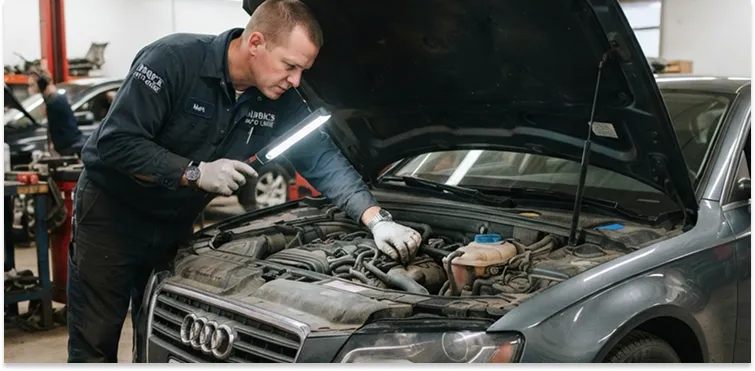
One of the smartest investments you can make is paying an independent mechanic to inspect the vehicle before you buy it.
A professional inspection can uncover hidden problems involving:
- Engine condition.
- Transmission.
- Suspension.
- Brakes.
- Cooling system.
- Exhaust.
- Electrical components.
- Fluid leaks.
The inspection cost is small compared to the thousands of dollars you could spend fixing a lemon car.
Tip 6: Review the Service and Maintenance Records
A complete service history is one of the best indicators that a used car has been properly maintained.
Along with reviewing maintenance records, remember to check mileage when buying a used car, as the mileage should match the vehicle’s age and service history.
This simple step can help you spot inconsistencies and avoid overpaying for a vehicle with hidden issues.
Ask the seller for service and maintenance records, including:
- Oil and filter changes
- Brake inspections or replacements
- Tire rotations and replacements
- Timing belt or timing chain service
- Battery replacement
- Major repairs or part replacements
Well-documented maintenance records show that the previous owner cared for the vehicle and followed the recommended service schedule.
They also give you stronger evidence to negotiate the best price when buying a used car based on its overall condition and maintenance history.
Tip 7: Look for Signs of Accident or Flood Damage
Some used cars may look well-maintained but have hidden damage from previous accidents or flooding.
Learning the signs a used car has been in an accident and knowing what to look for when buying a second-hand car can help you avoid costly repairs and one of the most common mistakes people make when purchasing a used vehicle.
Carefully check for:
- Mismatched paint or uneven paint finish
- Uneven panel gaps or poorly aligned body parts
- Welding marks or signs of structural repairs
- New parts that don’t match surrounding components
- Rust, mud, or moisture under carpets and inside the trunk
- Condensation or water inside the headlights or taillights
- A musty, moldy, or mildew smell inside the cabin
Accident- or flood-damaged vehicles often develop ongoing structural or electrical problems. If you notice any of these signs, have the car inspected by a qualified mechanic before making a purchase.
Tip 8: Verify the VIN and Vehicle Documents
Verifying the Vehicle Identification Number (VIN) and all related documents is an important step when buying a used car. Matching records helps confirm the vehicle’s identity and reduce the risk of fraud or ownership disputes.
Before buying, make sure:
- The VIN matches on the vehicle, title, and registration documents
- The ownership documents are genuine and up to date
- There are no signs of altered or forged paperwork
- The vehicle has a clear title with no salvage or rebuilt status (unless disclosed)
- There are no outstanding loans, liens, or legal issues attached to the vehicle
If you find any inconsistencies in the VIN or documents, investigate them carefully before proceeding with the purchase.
Learn More:
- Essential documents needed when buying a car in Germany
- Documents needed to buy a car as a U.S. military member in Germany
Tip 9: Buy from a Trusted Dealer or Seller
Buying from a reputable dealer or an honest private seller can significantly reduce the risk of purchasing a lemon car. A trustworthy seller is usually transparent about the vehicle’s condition and willing to provide the information you need.
Look for a seller who is willing to:
- Answer your questions honestly
- Allow a pre-purchase inspection
- Provide service and maintenance records
- Offer clear and transparent pricing
- Share the vehicle’s ownership and accident history
- Give you enough time to inspect and test drive the car without pressure
If a seller refuses reasonable requests or seems unwilling to provide information, it’s often best to walk away.
Learn More
- Top 10 Best Military Car Dealers in the World
- Top 10 Best Car Dealers in Europe
- Top 10 Best Car Dealers in Italy
- Top 10 Best Car Dealers in the World
- Top 10 Car Importers in the United States
- Top 10 Car Exporters for US Military in Germany
- Top 10 Verified Car Dealers in Germany
- Top 10 Trusted Car Dealers for the US Military
Tip 10: Understand the Warranty and Return Policy
Before completing the purchase, make sure you fully understand the warranty coverage and return policy that comes with the vehicle.
This is especially important if you’re buying a car on a tight budget, as warranty protection can help reduce unexpected repair expenses and provide added peace of mind.
Ask the seller about:
- Any remaining factory warranty
- Dealer warranty coverage
- Certified pre-owned (CPO) warranty benefits
- Return or exchange policy
- Available extended warranty options
Understanding these details can also help you identify signs of a bad used car you should avoid, particularly if a seller is unwilling to offer any form of warranty or clearly explain the vehicle’s coverage.
Always read the warranty terms carefully before signing any paperwork.
Common Warning Signs of a Lemon Car
Spotting the warning signs of a lemon car before you buy can save you from expensive repairs and ongoing mechanical problems.
Understanding the signs of a bad used car you should avoid can help you make a more informed buying decision.
While one issue may not always indicate a bad vehicle, several warning signs together should be treated as a serious concern.
Watch for these common red flags:
- Check Engine Light stays on
- Excessive smoke from the exhaust
- Knocking, ticking, or unusual engine noises
- Fluid leaks under the vehicle
- Burning smells while the engine is running
- Rough or delayed transmission shifting
- Uneven or excessive tire wear
- Signs of water damage inside the cabin
- Fresh paint on isolated body panels
- A price that is significantly lower than similar vehicles
If you notice multiple warning signs during your inspection or test drive, don’t ignore them.
It’s often best to have the vehicle inspected by a qualified mechanic or walk away and look for a more reliable option.
Final Checks Before You Buy
Before making the final payment, take a few minutes to complete a final review. A careful last inspection can help you identify any overlooked issues and give you confidence in your purchase.
Before signing the paperwork, confirm that:
- The VIN matches all vehicle documents
- The title is clear and legally transferable
- The service and maintenance records are complete
- The vehicle has passed a professional pre-purchase inspection
- All features and accessories are working properly
- The test drive met your expectations
- There are no hidden fees or unexpected charges
- You fully understand the warranty and return policy
Completing these final checks can help you avoid costly surprises and ensure you’re buying a reliable used car with confidence.
Mistakes to Avoid When Buying a Used Car
Many buyers end up with unreliable vehicles because they rush the buying process or overlook important details. Avoiding a few common mistakes can help you make a smarter purchase and reduce the risk of buying a lemon car.
Avoid these common mistakes:
- Buying a car without researching the make and model
- Skipping the vehicle history report
- Ignoring dashboard warning lights or unusual noises
- Not taking a proper test drive
- Skipping a professional pre-purchase inspection
- Focusing only on the purchase price instead of the overall condition
- Trusting verbal promises without written documentation
- Overlooking service and maintenance records
- Failing to verify the VIN and ownership documents
- Letting emotions influence your buying decision
Taking your time, asking the right questions, and carefully inspecting the vehicle can help you avoid costly mistakes and choose a reliable used car with confidence.
Final Thoughts
Buying a used car doesn’t have to be stressful. By researching the vehicle, reviewing its history, inspecting it carefully, and having it checked by a qualified mechanic, you can greatly reduce the risk of buying a lemon car.
These 10 practical tips for avoiding a lemon car provide a simple roadmap for making a safer, more informed purchase. Instead of rushing into a deal that seems too good to be true, take the time to verify every detail.
A little preparation today can help you find a dependable used car that offers reliable performance, lower ownership costs, and confidence every time you get behind the wheel.