
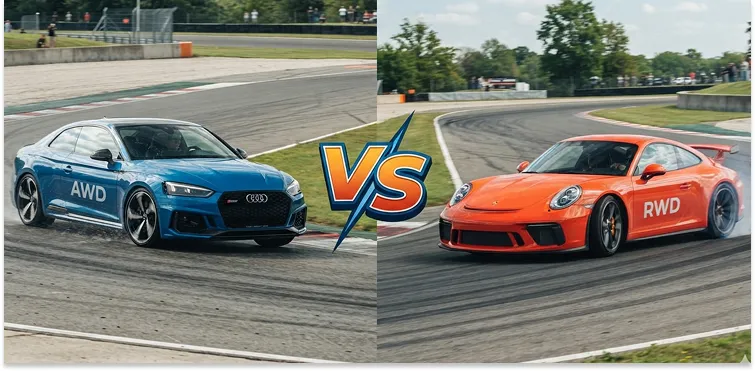
When buying a car, the drivetrain is an important factor that affects traction, handling, fuel efficiency, and overall driving experience.
AWD sends power to all four wheels for better grip and stability, while RWD delivers power to the rear wheels for a more balanced and performance-focused feel.
The right choice depends on your driving needs. AWD is ideal for challenging road conditions, while RWD is preferred by drivers who value handling and performance.
Key Differences Between AWD vs RWD Drivetrains
Understanding how AWD and RWD differ can help you choose the drivetrain that best matches your driving needs, road conditions, and performance expectations.
| Feature | AWD (All-Wheel Drive) | RWD (Rear-Wheel Drive) |
| Power Delivery | Sends power to all four wheels | Sends power only to rear wheels |
| Traction | Better grip on slippery roads | Good grip in normal conditions |
| Performance | Strong acceleration and stability | Better balance and sporty handling |
| Driving Conditions | Ideal for rain, snow, and rough roads | Best for dry roads and performance driving |
| Fuel Economy | Usually lower due to added weight | Often more efficient |
| Maintenance | More complex and expensive | Simpler and usually cheaper |
| Handling Feel | More stable and predictable | More engaging and driver-focused |
| Common Vehicles | SUVs, crossovers, rally-inspired cars | Sports cars, luxury sedans, trucks |
Learn More:
- AWD vs FWD Explained
- Certified Pre-Owned vs Regular Used Car
- New vs Used Car
- Mercedes vs Porsche
- BMW vs Audi for US Military
- AWD vs 4WD
- Electric Cars vs Hybrid Cars
- Hybrid or Plug-In Hybrid
- FWD vs RWD When Buying a Used Car
Power Distribution and How the Drivetrain Works
The main difference between AWD and RWD is how engine power is transferred to the wheels. This affects everything from acceleration to cornering ability.
AWD
An All-Wheel Drive system distributes engine power to all four wheels. Modern AWD systems use sensors and electronic controls to adjust power between the front and rear axles depending on road conditions.
For example, if one wheel loses traction on a wet or slippery surface, the system can redirect power to wheels with better grip. This makes AWD vehicles feel more stable and controlled in changing conditions.
RWD
A Rear-Wheel Drive system sends engine power only to the rear wheels. The front wheels handle steering, while the rear wheels provide acceleration.
This separation creates a balanced driving experience because the vehicle’s weight is distributed more evenly. Many performance cars, luxury sedans, and pickup trucks use RWD because it provides better handling and driving dynamics.
Traction and Road Grip
Traction plays a major role in how confidently a vehicle handles different road conditions. AWD and RWD systems deliver power differently, which affects grip, stability, and overall control.
AWD
AWD provides excellent traction because all four wheels can contribute to moving the vehicle forward. This is especially helpful when roads are wet, icy, muddy, or covered with loose gravel.
The additional grip makes AWD a popular choice for drivers who want extra confidence during unpredictable weather conditions.
RWD
RWD vehicles can provide strong traction on dry pavement, especially when paired with good tires and proper weight distribution. However, because only the rear wheels receive power, they may struggle more on slippery roads.
Without advanced traction control systems, RWD cars can lose rear-wheel grip more easily in poor weather.
Acceleration and Performance
The drivetrain can significantly impact acceleration and driving performance. AWD focuses on maximizing grip, while RWD provides a more balanced and engaging performance experience.
AWD
AWD vehicles often achieve quicker launches because power is distributed across four wheels. This reduces wheel spin and allows high-performance vehicles to put more power onto the road.
Many powerful cars, including models from Audi and Subaru, use AWD systems to improve acceleration and stability.
RWD
RWD is widely preferred for performance driving because it allows the rear wheels to focus on pushing the vehicle forward. This creates a more natural acceleration feel and better control for experienced drivers.
Many sports cars from brands like BMW and Porsche are designed around RWD characteristics.
Handling and Driving Experience
Handling defines how a vehicle feels behind the wheel, from steering response to cornering control. AWD and RWD offer different driving characteristics based on power distribution and vehicle balance.
AWD
AWD provides a secure and predictable driving experience. The extra traction helps drivers maintain control, especially during sudden acceleration or changing road surfaces.
However, AWD systems can sometimes make vehicles feel heavier due to additional components.
RWD
RWD offers a more connected and engaging driving experience. Since the front wheels only handle steering, drivers often feel better control during cornering.
This is why many driving enthusiasts prefer RWD vehicles.
Cornering and Vehicle Stability
Cornering ability and vehicle stability play an important role in driving confidence, especially during sharp turns or high-speed driving.
AWD:
AWD improves cornering stability by distributing power between all four wheels when needed. This helps maintain traction during turns, providing a more controlled and predictable driving experience, especially on slippery roads.
RWD:
RWD offers excellent cornering balance due to its weight distribution and separation between steering and driving wheels. It provides a more engaging driving feel, allowing experienced drivers to control vehicle movement through throttle input, which is why it remains popular in performance and motorsport vehicles.
Driving in Rain, Snow, and Slippery Conditions
AWD and RWD systems handle slippery roads differently based on how power is delivered to the wheels.
AWD:
AWD provides an advantage in rain, snow, and icy conditions by sending power to all four wheels. This improves traction and stability when roads become slippery, making it a practical choice for drivers who frequently face challenging weather or changing road conditions.
RWD:
RWD can still perform well in poor weather when equipped with quality winter tires and modern traction control systems. However, because the rear wheels handle acceleration, they can lose grip more easily on slippery surfaces, requiring more careful driving.
Fuel Economy and Efficiency
Fuel efficiency is an important consideration when choosing between AWD and RWD, especially for drivers who want lower running costs and better long-term value.
When comparing vehicles, it is also important to check mileage when buying and understand how drivetrain type affects overall fuel consumption.
AWD:
AWD systems usually consume more fuel because they include additional components, such as extra differentials and drivetrain parts, which increase weight and mechanical resistance.
However, modern AWD technology has improved efficiency by automatically adjusting power delivery when extra traction is not needed. Buyers should also test drive a car properly to understand how the vehicle performs and whether its fuel usage matches their expectations.
RWD:
RWD vehicles are often lighter and have a simpler drivetrain layout, which can help improve fuel economy. While the drivetrain can be more efficient, factors like engine size, vehicle weight, driving style, and aerodynamics also have a major impact on overall fuel consumption.
Considering these details can help avoid common mistakes people make when buying a car based only on drivetrain preference rather than actual driving needs.
Maintenance and Repair Costs
Maintenance expenses are an important factor when choosing between AWD and RWD, especially for long-term ownership.
AWD:
AWD systems have more complex components, including additional differentials, transfer cases, and drivetrain parts. This added complexity can increase maintenance requirements and may result in higher repair costs if major components need replacement.
RWD:
RWD systems have a simpler design with fewer drivetrain components, making them generally easier and more affordable to maintain. Lower mechanical complexity can help reduce repair expenses and make long-term ownership more cost-effective.
Reliability and Long-Term Ownership
Both AWD and RWD systems can provide dependable performance when properly maintained, but their designs offer different ownership experiences.
AWD:
Modern AWD systems are built to be reliable and provide consistent performance in various driving conditions. However, they require regular maintenance of components such as differentials and transfer cases to ensure smooth operation and prevent costly repairs over time.
RWD:
RWD systems have a simpler mechanical design with fewer components, which can make them easier to maintain over the long term. Their straightforward layout often results in lower maintenance needs and more affordable ownership costs.
Tire Wear and Replacement Costs
Tires play an important role in vehicle performance, safety, and ownership costs. The drivetrain affects how tires handle power delivery, wear patterns, and replacement requirements over time.
AWD:
AWD vehicles typically require all four tires to be replaced at the same time to maintain balanced traction and protect the drivetrain system. Using tires with different tread depths or sizes can affect AWD performance and may cause additional stress on components.
RWD:
RWD vehicles usually experience more wear on the rear tires because they handle the vehicle’s acceleration power. However, tire replacement is often more flexible compared to AWD systems, making maintenance easier and potentially less expensive.
Towing and Hauling Capability
When choosing a vehicle for towing or carrying heavy loads, the drivetrain plays an important role in traction, stability, and overall capability. AWD and RWD both offer advantages depending on the type of towing and driving conditions.
AWD:
AWD provides improved traction when towing on wet, slippery, or uneven surfaces because power is distributed to all four wheels. This makes it a suitable option for SUVs and crossovers that need additional stability while carrying trailers or heavier loads.
RWD:
RWD is widely used in trucks and heavy-duty vehicles because it delivers strong pulling power and handles increased weight effectively. The rear-wheel setup provides better load management, making it a popular choice for regular towing and hauling tasks.
Off-Road Capability and Rough Terrain Performance
AWD and RWD systems offer different levels of capability depending on the environment and driving conditions.
AWD:
AWD improves traction on gravel, mud, dirt roads, and uneven surfaces by distributing power to all four wheels. This makes it a popular choice for adventure-focused SUVs and crossovers that require better control and stability beyond paved roads.
RWD:
RWD can handle light off-road driving and performs well on firm surfaces, but it may struggle in deep mud, snow, or loose terrain where additional traction is needed. Without advanced off-road systems, maintaining grip can be more challenging compared to AWD.
Ride Comfort and Everyday Driving
For daily commuting and regular driving, comfort, stability, and ease of control are important factors when choosing between AWD and RWD. Understanding what to look for when buying a vehicle can help you choose a drivetrain that matches your driving habits, road conditions, and comfort preferences.
AWD:
AWD vehicles often provide a stable and confident driving experience by improving traction in various conditions. They are a practical choice for families, commuters, and drivers who want added control during rain, light snow, or changing road surfaces.
When test-driving an AWD vehicle, buyers should also check for smooth power delivery and avoid potential dealer tricks to watch out for during the purchasing process.
RWD:
RWD vehicles can deliver a smooth and balanced driving experience, especially in sedans and luxury cars. Their weight distribution often creates better handling and a more refined feel, making them enjoyable for drivers who value comfort and responsiveness.
Regardless of drivetrain choice, checking the vehicle history and looking for signs of a bad car you should avoid can help ensure a reliable purchase.
Vehicle Weight and Driving Dynamics
The drivetrain layout affects a vehicle’s weight distribution, handling response, and overall driving feel. Understanding these differences can help buyers choose a car that matches their preferred driving style and needs.
AWD:
AWD systems include additional components such as extra differentials and power transfer systems, which increase overall vehicle weight. This added weight can slightly impact fuel efficiency and handling responsiveness, although it also helps improve traction and stability.
RWD:
RWD vehicles typically have a more balanced weight distribution because of their simpler drivetrain layout. This balance can enhance steering feel, cornering ability, and overall driving dynamics, making RWD popular among performance-focused drivers.
Purchase Price and Resale Value
The cost of a vehicle is not limited to its initial purchase price. Drivetrain type can also influence ownership value, market demand, and resale potential over time.
Understanding these factors can help buyers avoid overpaying at a car dealership and make smarter decisions when comparing AWD and RWD options.
AWD:
AWD vehicles often have a higher purchase price because of their advanced drivetrain technology and additional components. However, they can maintain stronger resale value in areas with frequent rain, snow, or challenging road conditions where buyers prefer extra traction and stability. Taking time to research prices and negotiate the best price can help buyers get better value for an AWD vehicle.
RWD:
RWD vehicles are often more affordable and attractive to drivers who prioritize performance and handling. For buyers buying a car on a tight budget, a RWD vehicle may offer lower upfront costs and simpler maintenance while still delivering an enjoyable driving experience. Their resale value depends on factors such as vehicle type, brand reputation, condition, and market demand.
AWD vs RWD for Different Types of Vehicles
Different vehicle types are designed with specific driving needs in mind, which is why manufacturers choose AWD or RWD depending on performance, comfort, and usability requirements. The best drivetrain option often depends on how and where the vehicle will be driven.
AWD SUVs and Crossovers
AWD is widely used in SUVs and crossovers because these vehicles are built for everyday practicality, family use, and various road conditions. The added traction and stability make AWD a great choice for drivers who want confidence during long trips, rain, snow, or light off-road driving.
RWD Sports Cars and Luxury Vehicles
RWD remains a preferred choice for sports cars and luxury vehicles because it provides better weight balance, responsive handling, and a more engaging driving experience. This drivetrain layout allows drivers to enjoy improved control and performance, making it popular among enthusiasts and premium vehicle manufacturers.
Best Choice for City and Daily Driving
For everyday commuting, the ideal drivetrain depends on your local weather, driving habits, and personal preferences. Both AWD and RWD can work well for daily use, but they provide different benefits for city driving and regular travel.
Why AWD Works Well for Everyday Drivers?
AWD is a great option for drivers who want extra confidence and stability in changing conditions. It provides improved grip during rain, light snow, and slippery roads, making it a practical choice for families and commuters who prioritize safety and control.
Why RWD Can Still Be a Good Daily Option?
RWD remains a strong choice for drivers who mostly travel on dry roads and prefer a more balanced driving experience. With lower maintenance costs, responsive handling, and an enjoyable driving feel, RWD can be an excellent option for daily commuters who value performance and simplicity.
Best Choice for Performance and Enthusiastic Driving
AWD and RWD both offer unique advantages, depending on whether the priority is maximum grip or a more connected driving experience.
Why AWD Is Popular for High-Power Vehicles
AWD helps high-performance vehicles deliver stronger acceleration by distributing power across all four wheels. This reduces wheel spin and improves stability, allowing powerful cars to achieve impressive performance while maintaining better control.
Why RWD Remains Preferred by Driving Enthusiasts
RWD continues to be a favorite among driving enthusiasts because it offers a more traditional and engaging performance feel. Its balanced handling, responsive steering, and driver-focused control make it popular in sports cars and performance vehicles.
Which Is Better for Different Car Buyers?
The best drivetrain choice depends on your driving habits, location, and what you expect from your vehicle. AWD and RWD both have their strengths, so understanding your priorities can help you select the option that fits your lifestyle.
Choose AWD If You:
- Frequently drive in snow, rain, or slippery conditions
- Want improved traction and greater stability
- Prefer SUVs, crossovers, or family vehicles
- Need extra confidence during daily driving
- Regularly travel on uneven roads or changing surfaces
AWD is ideal for drivers who prioritize safety, all-weather capability, and dependable performance in different road conditions.
Choose RWD If You:
- Enjoy sporty and performance-focused driving
- Want better handling balance and responsiveness
- Prefer simpler maintenance and lower ownership costs
- Mostly drive in dry weather conditions
- Want a more engaging and connected driving experience
RWD is a great choice for drivers who value driving enjoyment, precise handling, and a more traditional performance feel.
Final Verdict
Both AWD and RWD have unique advantages. AWD offers better traction, stability, and confidence in challenging conditions, making it a strong choice for SUVs, families, and all-weather drivers.
RWD delivers better balance, performance, and driving enjoyment, making it popular among sports car and luxury vehicle buyers.
There is no single drivetrain that is best for everyone. The right choice depends on your driving needs, road conditions, and personal preferences.