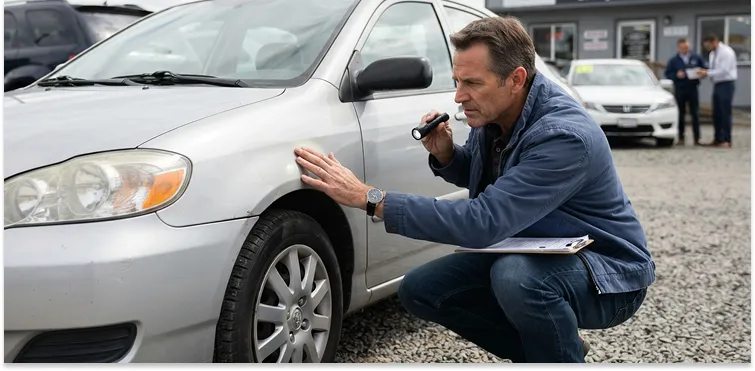
Buying a used car from a top seller can save money, but it is important to check if it has been involved in an accident. Previous damage can affect the vehicle’s safety, performance, and value.
A car may look perfect from the outside while hiding issues with the frame, airbags, suspension, or electrical systems.
Learning the common signs of accident damage can help you avoid costly repairs and make a safer buying decision. Always inspect the vehicle, check its history, and consider a professional inspection before purchasing.
Why Checking Accident History Is Important Before Buying a Used Car
A car that has been involved in a major accident may have hidden structural or mechanical issues that are not easy to notice. Even if repairs have been completed, poor-quality work can affect the vehicle’s safety, reliability, and resale value.
Before making a purchase, it is important to check a car’s history before committing to a deal.
A vehicle history report can reveal previous accidents, insurance claims, title information, and ownership records.
You should also check mileage when buying a used car to make sure the recorded mileage matches the vehicle’s condition and history.
Checking accident records helps you understand:
- Whether the car has been involved in serious collisions
- If safety components such as airbags were repaired or replaced
- Whether the asking price matches the vehicle’s actual condition
- If previous damage could lead to expensive future repairs
1. Check for Uneven Paint and Color Differences
One of the most common signs of accident repair is mismatched paint. When a vehicle is damaged in a collision, affected body panels are often repainted or replaced.
If the repair work was not completed professionally, the new paint may not perfectly match the original factory finish.
When inspecting a vehicle, look for signs to avoid when buying, such as paint differences, uneven textures, or areas that appear newer than the rest of the car.
Check carefully for:
- Different shades of color between body panels
- Paint that looks fresher compared to surrounding areas
- Overspray on windows, rubber seals, or trim pieces
- Rough, uneven, or inconsistent paint texture
Always inspect the vehicle in natural daylight because indoor lighting can hide small paint differences.
2. Look for Uneven Gaps Between Body Panels
Factory vehicles usually have even and consistent gaps between doors, the hood, trunk, and other body panels.
After an accident, these gaps may become uneven if replacement parts were installed incorrectly.
During your inspection, look for these when buying a used car:
- Unequal spaces between body panels
- Doors, hood, or trunk that do not close smoothly
- Panels that appear raised, loose, or misaligned
- Different gap sizes on opposite sides of the vehicle
Uneven panel alignment can indicate previous collision damage or poor repair work.
Before making a final decision, remember to test drive a car properly because some accident-related issues may only appear while driving, such as handling problems or unusual noises.
3. Inspect for Frame or Chassis Damage
The vehicle frame is one of the most important safety structures in a car. A serious collision can bend, crack, or weaken the frame, even if the exterior has been repaired and looks normal.
When inspecting a used vehicle, avoid common mistakes people make, such as focusing only on the appearance and ignoring possible structural problems. Frame damage can affect handling, safety, and the vehicle’s long-term reliability.
Signs of possible frame or chassis damage include:
- Uneven vehicle height
- Crooked body alignment
- Vehicle pulling to one side while driving
- Visible welding marks underneath the car
- Repairs around the frame rails or structural areas
Frame damage can reduce crash protection and may lead to expensive mechanical problems in the future. A professional pre-purchase inspection can help identify hidden structural issues before you buy.
4. Review the Vehicle History Report
A vehicle history report is one of the most useful tools for finding out whether a used car has been involved in previous accidents. It collects information from sources such as insurance companies, repair facilities, and official vehicle records.
Reviewing the history report can help you avoid overpaying at a car dealership by understanding the vehicle’s actual condition and market value before making an offer.
A vehicle history report may include:
- Reported accidents
- Collision repairs
- Salvage or rebuilt titles
- Previous owners
- Mileage records
- Service and maintenance history
However, keep in mind that not every accident is reported. Always combine the history report with a physical inspection and test drive. Checking the vehicle’s background also gives you more confidence when you negotiate the best price when buying a car.
5. Check the Airbags and Warning Lights
Airbags are essential safety features designed to protect passengers during collisions. If a used car has been in an accident, the airbags may have deployed and could have been replaced incorrectly or not repaired properly.
Some sellers may use dealer tricks to watch out for when buying by hiding warning lights or covering up signs of previous repairs. Always check the dashboard carefully before purchasing.
Look for:
- Airbag warning lights staying on after startup
- Missing or damaged airbag covers
- Dashboard areas that appear repaired or replaced
- Uneven stitching on seats with side airbags
An airbag warning light should never be ignored because it may indicate a serious safety problem. A proper inspection can reveal whether the safety systems are working correctly before you complete the purchase.
6. Look for Mismatched Replacement Parts
After an accident, damaged vehicle parts are often replaced. While replacement parts do not always mean there is a problem, mismatched components can be a sign that the car has undergone previous repairs.
When buying a car for the first time, it is important to carefully compare different parts of the vehicle because small differences may reveal hidden accident history. A car inspection checklist can help you remember important areas to examine before making a decision.
Check for:
- Different headlights or taillights
- Newer-looking mirrors compared to the rest of the vehicle
- Different wheels, badges, or trim pieces
- Parts with different manufacturer markings
Compare both sides of the vehicle and check whether all components look consistent. Uneven or mismatched parts may indicate repairs after a collision.
7. Check for Tire Wear and Alignment Problems
Accident damage can affect the suspension system and wheel alignment. If the wheels are not positioned correctly after a collision, the vehicle may develop uneven tire wear or handling problems.
This is especially important when buying a car on a tight budget, as hidden suspension repairs can become expensive after purchase.
During inspection, look for:
- Uneven tire tread wear
- Steering wheel vibrations
- The vehicle pulling to the left or right
- Difficulty keeping the car driving straight
Poor wheel alignment may be caused by damaged suspension components from a previous accident. Checking tire condition can help identify possible repair issues before buying.
8. Listen for Unusual Sounds During a Test Drive
A test drive can reveal problems that are not visible during a basic inspection. Pay attention to unusual sounds or driving behavior.
Watch for:
- Knocking noises over bumps
- Squeaking from suspension areas
- Grinding sounds while turning
- Unusual vibrations at higher speeds
Strange noises may indicate hidden damage involving the suspension, steering, or mechanical components.
9. Check for Interior Damage or Water Leaks
Accident repairs can sometimes affect the interior, especially if windows, doors, or roof areas were damaged.
Look for:
- Water stains on seats or carpets
- Musty smells inside the cabin
- Loose interior panels
- Signs of replaced upholstery
Water leaks can lead to electrical problems, mold growth, and expensive repairs.
10. Be Careful With Extremely Low Prices
A very low price can be attractive, but it may also be a warning sign. Sellers sometimes reduce prices because a vehicle has accident history, hidden damage, or expensive repair needs.
Before buying, compare the price with similar vehicles based on:
- Year
- Mileage
- Condition
- Accident history
- Market value
If the deal seems too good to be true, investigate carefully before making a decision.
How to Inspect a Used Car Before Buying
A proper inspection should include both visual checks and mechanical testing. Before purchasing, consider following these steps:
- Inspect the exterior in daylight
- Check paint, panels, and body alignment
- Examine tires and suspension
- Test all lights and dashboard warnings
- Take the vehicle for a test drive
- Review maintenance records
- Hire a trusted mechanic for a pre-purchase inspection
A professional inspection can identify problems that an average buyer may miss.
Learn More
- Top 10 Best Military Car Dealers in the World
- Top 10 Best Car Dealers in Europe
- Top 10 Best Car Dealers in Italy
- Top 10 Best Car Dealers in the World
- Top 10 Car Importers in the United States
- Top 10 Car Exporters for US Military in Germany
- Top 10 Verified Car Dealers in Germany
- Top 10 Trusted Car Dealers for the US Military
How to Verify a Used Car’s Accident History
To verify accident history, use multiple sources instead of relying on only one method.
You can:
- Request a vehicle history report
- Check the VIN (Vehicle Identification Number)
- Ask the seller about previous repairs
- Review service documents
- Inspect insurance and repair records when available
- Get an independent mechanic inspection
The VIN can help track important details about the vehicle’s past, including reported accidents and title changes.
Should You Buy a Used Car That Has Been in an Accident?
Not every accident-damaged vehicle is a bad purchase. A car with a minor accident history may still be reliable if it was repaired correctly by qualified professionals.
Before buying, consider:
- The severity of the accident
- Quality of repairs
- Current mechanical condition
- Vehicle price compared with market value
- Professional inspection results
A properly repaired vehicle with complete documentation can sometimes offer good value. However, cars with major structural damage or unclear repair history should be approached with caution.
Final Verdict
Identifying the signs of accident damage is an important step when buying a used car. Uneven paint, panel gaps, frame issues, warning lights, mismatched parts, and unusual driving behavior can reveal hidden problems.
Always combine a detailed inspection with a vehicle history report and professional advice before making a purchase. Taking extra time to check a used car’s condition can help you avoid costly repairs and choose a safer, more reliable vehicle.