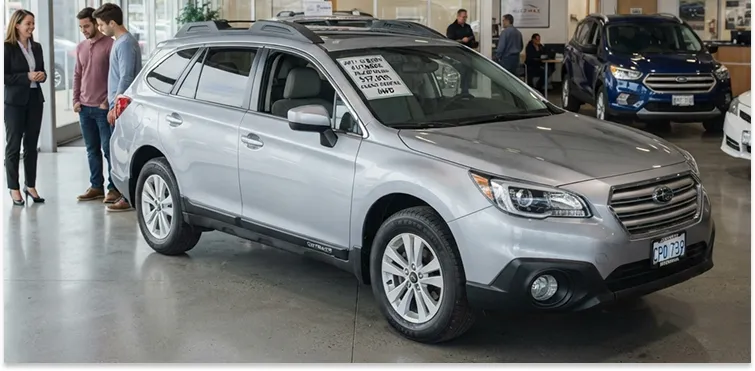
Buying a used car can be a smart way to get reliable transportation without paying the high price of a brand-new vehicle. Many buyers choose used cars because they can offer better value, lower insurance costs, and a wider choice of features within a set budget.
However, buying a pre-owned vehicle also comes with certain risks, especially if the car has hidden mechanical problems or a history of accidents.
Understanding the pros and cons of buying a used car can help you make a more confident decision. By checking the vehicle’s condition, maintenance history, mileage, ownership records, and overall value, you can reduce the risks and find a used car that suits your needs and budget.
What Does Buying a Used Car Mean?
Buying a used car means purchasing a vehicle that has already been owned and driven by one or more previous owners. Unlike a new car, it may have existing mileage, normal wear and tear, and a previous service history.
Used cars are available from dealerships, private sellers, online marketplaces, and specialist car dealers. They can range from nearly new vehicles with low mileage to older cars with many miles on the road.
If you are buying a car for the first time, knowing what to look for when buying is important. Check the car’s condition, history, mileage, and service records before making a final decision.
Pros of Buying a Used Car
Buying a used car can offer several financial and practical advantages, especially for buyers who want reliable transportation without the higher cost of a new vehicle.
From a lower purchase price to slower depreciation and potentially reduced ownership expenses, a pre-owned car can provide excellent value when chosen carefully.
Lower Purchase Price
One of the biggest advantages of buying a used car is the lower purchase price. New vehicles are usually more expensive because you are paying for the latest model, factory-fresh condition, and the newest technology.
A used car can give you access to a similar model at a much lower price. For example, a vehicle that was expensive when new may become significantly more affordable after a few years. This can make it easier to buy a higher-quality model without exceeding your budget.
A lower purchase price can also mean a smaller loan amount and potentially lower monthly finance payments.
Slower Depreciation
New cars usually lose a significant portion of their value during the first few years of ownership. This initial drop in value is known as depreciation.
Used cars have already experienced much of their early depreciation. As a result, the vehicle may lose value more slowly during your ownership. This can be especially beneficial if you plan to sell the car in the future.
Although all vehicles depreciate to some extent, buying a used car can help reduce the financial impact of the steepest part of depreciation.
Lower Insurance Costs
Used cars often cost less to insure than newer vehicles. Insurance premiums are commonly influenced by factors such as the car’s market value, repair costs, model, driver profile, and safety features.
Because a used vehicle generally has a lower value than a brand-new equivalent, comprehensive insurance coverage may cost less. However, insurance prices vary depending on the vehicle and your personal circumstances, so it is always wise to get an insurance quote before buying.
More Features for Your Budget
Buying used can allow you to get more features for the same amount of money. Your budget may only cover a basic new car, but the same amount could buy a used vehicle with additional comfort, technology, and safety equipment.
Depending on the model and age, you may be able to find features such as:
- Leather seats
- Parking sensors
- Rear-view cameras
- Navigation systems
- Heated seats
- Advanced driver assistance systems
- Premium sound systems
This is one reason many buyers choose a well-maintained used vehicle instead of a basic new car.
Lower Overall Ownership Costs
A used car can help lower overall ownership costs through a lower purchase price, potentially cheaper insurance, and affordable maintenance. This can make buying a car on a tight budget easier while helping you avoid overpaying at a car dealership.
Comparing the best ways to finance a car can also help manage monthly expenses. However, always consider the vehicle’s age, mileage, condition, fuel economy, and future maintenance costs before buying.
Cons of Buying a Used Car
While buying a used car can offer excellent value, it also comes with some potential disadvantages that buyers should consider.
These may include unexpected mechanical issues, higher maintenance needs, limited warranty coverage, and hidden vehicle damage.
Understanding these risks can help you avoid the common mistakes people make when buying used cars and make a more informed and confident decision.
Potential Mechanical Problems
One of the main disadvantages of buying a used car is the possibility of mechanical problems. A vehicle may look clean on the outside while having issues with the engine, transmission, suspension, electrical system, or other components.
Knowing the signs of a bad used car you should avoid can help you identify potential problems before making a purchase.
Some issues may not be immediately visible during a short inspection. This is why a professional pre-purchase inspection can be extremely valuable when buying a used vehicle.
Higher Maintenance and Repair Costs
Older vehicles may require more frequent maintenance and repairs. Components such as brakes, tyres, batteries, belts, suspension parts, and other mechanical systems may be closer to the end of their useful life.
Unexpected repairs can increase the cost of ownership. For this reason, buyers should consider setting aside an emergency repair fund when purchasing an older used car.
Higher Mileage and Wear and Tear
Used cars have already been driven, so they naturally have more mileage and signs of wear and tear. Check mileage when buying a used vehicle, but remember that a higher number does not automatically mean the car is unreliable. It can, however, increase the likelihood of certain maintenance requirements.
The condition of the car is often more important than mileage alone. A well-maintained high-mileage vehicle may be a better purchase than a low-mileage car that has been poorly serviced.
Limited or No Manufacturer Warranty
Many used cars no longer have the original manufacturer’s warranty. If a major mechanical problem occurs, the owner may have to pay for repairs out of pocket.
Some newer used cars may still have part of their original warranty remaining. Other vehicles may be sold with a dealer warranty or an optional extended warranty. Always check exactly what is covered, how long the coverage lasts, and what exclusions apply.
Risk of Hidden Damage or Previous Accidents
A used vehicle may have been involved in an accident, suffered flood damage, or received poor-quality repairs. Some sellers may not always provide complete information about a car’s history.
Using a complete car inspection checklist, carefully examining the bodywork, looking for inconsistent paint or panel gaps, and getting an independent inspection can help identify potential problems before you buy.
Used Car vs New Car: Which Is Better?
The better choice in a new vs used car comparison depends on your budget, priorities, and willingness to deal with potential repairs.
| Factor | Used Car | New Car |
| Purchase Price | Usually lower | Usually higher |
| Depreciation | Generally slower | Often faster in the early years |
| Insurance | May be lower | May be higher |
| Warranty | May be limited or expired | Usually includes manufacturer warranty |
| Vehicle Condition | Varies by age and history | Brand-new |
| Features | More features for the budget | Latest technology available |
| Maintenance | May require more repairs | Usually lower maintenance initially |
| Choice | Wide range of older models | Latest models and specifications |
A new car may be better for buyers who want the latest technology, maximum warranty coverage, and minimal maintenance concerns. A used car may be a better choice for buyers who want to save money and get greater value from their budget.
How to Buy a Used Car Safely
Buying a used car safely requires more than simply finding a vehicle at an attractive price. Before making a decision, consider the following steps:
- Set a realistic budget that includes the purchase price, insurance, registration, fuel, maintenance, and possible repairs.
- Research the make and model to understand its reliability, common problems, fuel economy, and typical market price.
- Check the vehicle history for previous accidents, ownership records, service history, and other important information.
- Inspect the car carefully for body damage, rust, uneven paint, tyre wear, fluid leaks, and signs of poor repairs.
- Take a proper test drive and pay attention to unusual noises, warning lights, braking, steering, and transmission performance.
- Arrange an independent mechanical inspection before buying whenever possible.
- Check the paperwork and vehicle identification number to make sure the details match the car and official documents.
- Compare prices with similar used vehicles before agreeing to a deal.
Never feel pressured to buy a used car simply because the seller says the offer is available for a limited time. Taking your time can help you avoid an expensive mistake.
Is Buying a Used Car Worth It?
For many buyers, buying a used car is absolutely worth it. The lower purchase price, slower depreciation, and potential savings on insurance can make a pre-owned vehicle a financially attractive option.
However, the right used car is more important than simply finding the cheapest one. A vehicle with a complete service history, reasonable mileage, good condition, and a reliable reputation can provide excellent value.
The biggest risks can usually be reduced through careful research, a professional inspection, and a thorough vehicle history check. If you also budget for future maintenance, you can enjoy the financial benefits of buying used while being prepared for potential ownership costs.
Conclusion
The pros and cons of buying a used car should be carefully considered before making a purchase. Used vehicles can offer a lower price, slower depreciation, lower insurance costs, and more features for your budget.
At the same time, they may come with higher mileage, maintenance requirements, limited warranty protection, and the risk of hidden mechanical or accident-related problems.
The best approach is to focus on the overall condition and history of the vehicle rather than the price alone. Research the model, inspect the car, review its records, take a test drive, and arrange a professional inspection when possible.
With the right preparation, buying a used car can be a cost-effective way to get reliable transportation and excellent value for your money.