
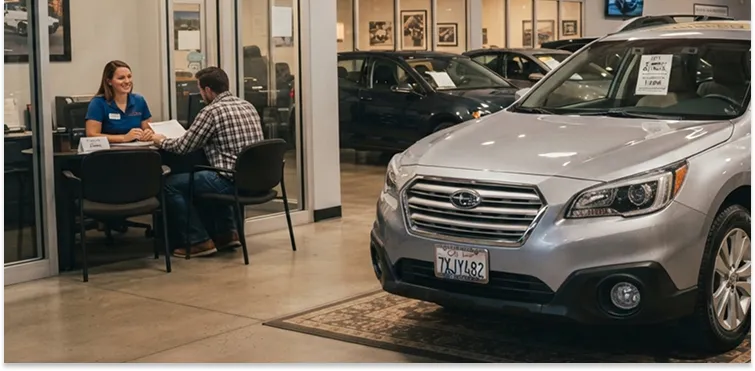
Buying a car is exciting, but it is also one of the biggest financial decisions most people make. Whether you are purchasing a brand-new vehicle or a used one, dealerships are businesses designed to make a profit—sometimes in ways that are not obvious to the average buyer.
Many buyers walk into a showroom focused only on the monthly payment or the car’s exterior appeal. But behind the polished environment, dealerships often use structured sales strategies, psychological tactics, and pricing manipulation to increase their margins.
This guide breaks down the most common dealer tricks you should watch out for when buying a car. The goal is simple: help you recognize these tactics early so you can negotiate confidently and avoid costly mistakes.
Understanding How Car Dealerships Operate
To understand dealer tricks, you first need to understand how dealerships actually make money.
Most dealerships don’t rely on a single profit source. Instead, they earn from multiple streams:
- Vehicle sale margin (difference between invoice and selling price)
- Financing commissions from banks or lenders
- Add-on products like warranties, insurance, and protection packages
- Trade-in arbitrage (buying low, selling high)
- Manufacturer incentives and bonuses
Because of this structure, the “car price” is only one part of the deal.
Dealers are often more focused on maximizing profit through financing and add-ons than the sticker price itself.
This is why a buyer who negotiates well on price can still end up overpaying overall.
Pricing Tricks Dealers Use to Confuse Buyers
One of the most common areas where buyers get confused is pricing.
Dealers often use several techniques such as:
- Showing different price layers
You may see:
- MSRP (Manufacturer’s Suggested Retail Price)
- Dealer price
- Market adjustment
- Final sale price
Each number can shift depending on the negotiation stage, making it difficult to know the real value.
- Focusing on monthly payments instead of total price
Many buyers—especially those buying a car on a tight budget—get distracted by low monthly payments. Dealers use this to stretch loan terms, which can increase the total cost significantly.
“What monthly payment are you comfortable with?”
This shifts your focus away from the actual car price and toward financing terms, which can hide overpricing.
- Artificial discounts
Some dealers inflate the price first, then apply a “discount” that brings it back to normal. It feels like a deal, but it often isn’t.
Smart approach:
Always negotiate based on the out-the-door price, which includes taxes, fees, and all costs.
Financing Scams and Loan Manipulation Tactics
Financing is one of the biggest profit centers for dealerships—and one of the easiest places for manipulation.
Many buyers, especially those buying a car for the first time, are unaware of how flexible loan structures can be and how easily terms can be adjusted in the dealer’s favor.
Common tactics include:
- Marking up interest rates
Even if a bank approves you at a lower rate, the dealer may increase it and keep the difference as profit. - Hidden loan terms
Some buyers are rushed into signing without fully reviewing:
- Loan duration
- Early repayment penalties
- Variable interest conditions
- “We found you a better deal” trick
Dealers may claim they improved your loan offer, but in reality, they may have adjusted other terms to benefit themselves.
How to protect yourself:
- Get pre-approved from a bank before visiting the dealership
- Compare loan offers independently
- Read every line of the financing agreement
Trade-In Tricks That Lower Your Car’s Value
Trade-ins are another area where dealers often maximize profit at your expense.
Here’s how it works:
- Undervaluing your vehicle
Dealers may point out minor flaws to justify a lower offer than market value. - Separating trade-in from purchase
They might say:
“We gave you a great deal on your new car, but your trade-in is low.”
In reality, they adjust both numbers to make the deal look fair.
- Blended pricing manipulation
They combine discounts and trade-in value in a way that hides the real numbers.
Tip:
Always research your car’s market value using multiple sources before negotiating.
Odometer Fraud and Vehicle Condition Misrepresentation
While less common in new cars, used car buyers should be especially careful.
Some tactics include:
- Rolling back or digitally altering mileage
- Concealing accident history
- Repainting damaged panels to hide repairs
- Resetting warning indicators before sale
Even small changes in mileage can significantly increase a car’s price.
What you can do:
- Request full vehicle history reports
- Inspect service records
- Get an independent mechanic inspection before purchase
This is one of the common mistakes to make when buying used cars, especially when buyers skip proper inspection, rely only on appearance, or fail to verify the vehicle history before purchasing.
Psychological Sales Tactics Used by Dealers
Car salespeople are trained in psychology as much as product knowledge.
Common tactics include:
- Scarcity pressure
“Someone else is interested in this car.”
This creates urgency and fear of missing out.
- Time pressure
You may be told:
- “This deal is only valid today”
- “Prices go up tomorrow”
- Emotional anchoring
They may first show you expensive models so mid-range cars feel affordable. - Friendly manipulation
Salespeople often build rapport quickly to make you feel comfortable and less cautious.
Best defense:
Take your time. A legitimate deal will still exist tomorrow.
Hidden Fees You Should Always Question
Hidden fees can significantly increase the final cost of a vehicle.
Watch out for:
- Documentation fees (often inflated)
- Dealer preparation charges
- Advertising fees
- “Administrative” costs
- Delivery and handling fees
Some of these are legitimate, but many are inflated beyond reason.
Key rule:
Ask for a full breakdown of the out-the-door price and question anything unclear.
Financing Add-Ons That Are Often Unnecessary
Dealerships frequently push add-ons during financing. While some may have value, many are overpriced or unnecessary.
Common examples include:
- Extended warranties
- Paint protection packages
- Fabric or interior coating
- VIN etching
- Gap insurance (sometimes overpriced at dealerships)
Many of these can be purchased cheaper elsewhere—or may not be needed at all.
Tip:
Ask yourself: “Would I buy this if I wasn’t sitting in a finance office right now?”
How Dealers Manipulate Loan Approval Offers
Dealers often advertise:
“We can get you approved even with low credit.”
While sometimes helpful, this can be misleading.
They may:
- Submit your application to multiple lenders without transparency
- Choose the lender that pays them the highest commission
- Present only one “approved” option instead of multiple choices
Result: You may never see the best loan available to you.
Solution:
Get multiple loan quotes independently before visiting a dealership.
Test Drive and Inspection Manipulation Tricks
Even during the test drive, subtle tricks are used.
Examples include:
- Routing you on smooth roads to hide issues
- Pre-warming the engine so problems are less noticeable
- Using heavily cleaned vehicles to mask wear and tear
- Timing the test drive when traffic is low for a “perfect” experience
These small manipulations can easily hide early warning issues and even some signs of a bad used car you should avoid, especially if you are not paying close attention during the drive.
What you should do:
- Test drive in different road conditions
- Check cold start if possible
- Inspect tires, brakes, and suspension feel carefully
Negotiation Tricks Dealers Don’t Want You to Know
Negotiation is where most buyers either win or lose financially.
Dealer tactics include:
- Bundling everything into one confusing price
- Refusing to negotiate individual line items
- Asking for your maximum budget early
- Offering “manager approval” delays to pressure you
Smart negotiation strategies:
- Always negotiate total price, not monthly payment
- Stay silent after receiving an offer
- Be willing to walk away
- Compare offers from multiple dealerships
Silence is often more powerful than arguments in negotiation.
Red Flags That Signal a Bad Dealership
Not all dealerships operate the same way. Some consistently use aggressive or unethical practices.
Warning signs include:
- Refusing to provide written quotes
- High-pressure sales tactics
- Unclear pricing structure
- Poor online reviews mentioning hidden fees
- Reluctance to allow independent inspections
- Constant rushing during decision-making
If you notice multiple red flags, it is usually better to walk away.
How to Protect Yourself from Dealer Tricks
Protection starts with preparation.
Before visiting a dealership:
- Research market prices thoroughly
- Get pre-approved financing
- Check vehicle history reports
- Know your trade-in value
During the purchase:
- Ask for full breakdown of costs
- Read all documents carefully
- Avoid emotional decision-making
- Don’t sign anything you don’t understand
After purchase:
- Review all contract documents again
- Verify loan terms with your lender
- Keep all paperwork organized
Step-by-Step Smart Car Buying Process
A structured approach helps eliminate confusion and manipulation.
Step 1: Research
Compare models, prices, and features online.
Step 2: Set budget
Include insurance, maintenance, and taxes.
Step 3: Secure financing
Get pre-approved from a bank or credit union.
Step 4: Shortlist vehicles
Visit only serious options.
Step 5: Inspect and test drive
Never skip inspection.
Step 6: Negotiate total price
Focus on out-the-door cost.
Step 7: Review paperwork carefully
Check every clause before signing.
Step 8: Finalize purchase
Only proceed when everything matches agreed terms.
Common Mistakes Buyers Make When Dealing with Dealers
Many buyers unknowingly make mistakes that cost them money.
Common errors include:
- Focusing only on monthly payment
- Not researching market value
- Skipping pre-approval
- Accepting the first offer
- Ignoring hidden fees
- Rushing the decision due to pressure
Avoiding these mistakes alone can save thousands.
Final Thoughts
Buying a car should feel like an exciting milestone, not a stressful negotiation battle. However, understanding how dealerships operate gives you a major advantage.
Most dealer “tricks” are not illegal—they are simply strategies designed to increase profit. The key is not fear, but awareness.
When you know how pricing works, how financing is structured, and how psychological tactics are used, you can shift the power back to yourself.
Take your time, stay informed, and never rush into a deal. A good car deal is not about luck—it is about preparation and clarity.