Over 47,000 US military personnel and their families currently stationed in Germany face the annual TÜV inspection challenge in 2026. Getting your vehicle through this mandatory safety check isn’t just bureaucracy – it’s the key to legal driving privileges on German roads.
The TÜV (Technischer Überwachungsverein) inspection determines whether your car meets German safety standards. Miss it, and you’re looking at hefty fines, insurance complications, and potential vehicle registration issues.
Here’s everything you need to navigate the 2026 TÜV process successfully.
What Is TÜV Inspection and Why US Military Personnel Need It
TÜV inspection is Germany’s mandatory vehicle safety examination that every car must pass every two years (or annually for older vehicles). Think of it as Germany’s equivalent to state vehicle inspections, but significantly more thorough.
US military personnel stationed in Germany aren’t exempt from this requirement. Whether you’re driving a car shipped from the States or purchased locally, your vehicle needs current TÜV certification to remain road-legal.
The inspection covers over 160 individual checkpoints. Everything from brake performance to headlight alignment gets scrutinized by certified technicians.
Without valid TÜV, you face immediate consequences: €15 fine if overdue by 2-8 months, €25 plus additional inspection if overdue by 8+ months, and potential insurance claim rejection in case of accidents.
2026 TÜV Changes That Affect Military Families
Several significant updates took effect in 2026 that directly impact US military vehicle owners:
- Enhanced emissions testing for vehicles older than 6 years (previously 4 years)
- Mandatory tire pressure monitoring system (TPMS) checks for all vehicles manufactured after 2014
- Updated headlight regulations requiring automatic beam adjustment on LED systems
- New winter tire compound requirements for vehicles registered in Bavaria and Baden-Württemberg
American-spec vehicles often struggle with headlight alignment standards. European roads require different beam patterns than US highways, creating automatic failure points for unmodified American cars.
The good news? TÜV stations near military bases now offer specialized American vehicle services, understanding common issues with US-imported cars.
Complete Pre-Inspection Checklist for Military Vehicles
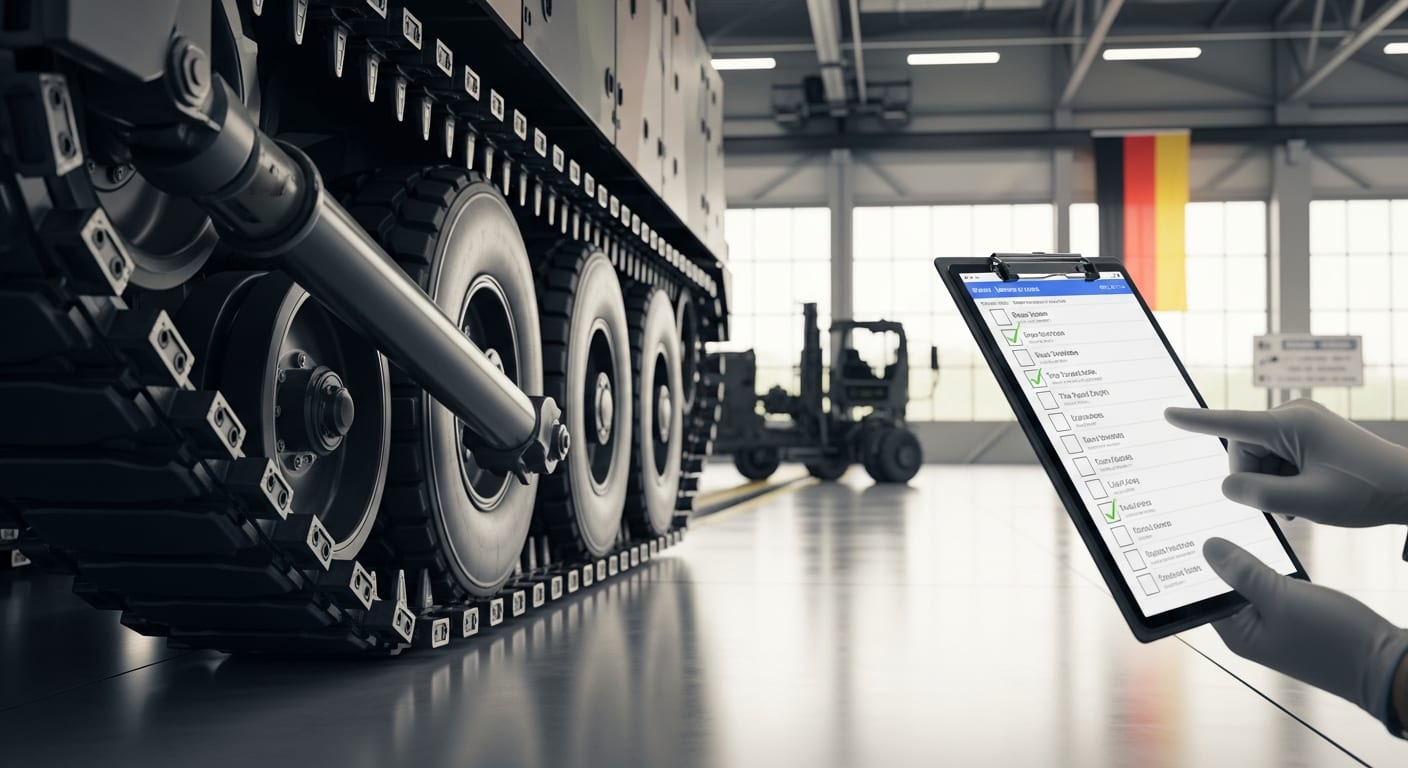
Smart preparation prevents expensive surprises. Run through this comprehensive checklist 2-3 weeks before your scheduled TÜV appointment:
Lights and Electrical Systems
- Test all exterior lights (headlights, taillights, turn signals, hazard lights)
- Check license plate illumination
- Verify horn functionality
- Test windshield wipers and washer fluid system
- Ensure dashboard warning lights extinguish after startup
Brakes and Suspension
- Listen for unusual brake noises during test drives
- Check brake fluid levels
- Inspect visible brake components for wear
- Test parking brake engagement
- Look for suspension component damage or excessive wear
Tires and Wheels
- Measure tread depth (minimum 1.6mm across entire tire surface)
- Check for sidewall damage or unusual wear patterns
- Verify proper tire pressure
- Ensure wheel bolts are properly tightened
- Confirm TPMS warning light isn’t illuminated
American military families often overlook the TPMS requirement. Your Dodge Charger or Ford F-150 shipped from Fort Hood might have a faulty sensor that triggers automatic TÜV failure.
Where to Get TÜV Inspection Near Military Bases
Location matters significantly for smooth TÜV processing. Choose inspection stations familiar with American vehicles and military documentation requirements.
Recommended TÜV Stations by Base
Ramstein Air Base area:
- DEKRA Kaiserslautern (15 minutes from base, English-speaking staff)
- TÜV Rheinland Landstuhl (specializes in American imports)
- GTÜ Ramstein Village (weekend appointments available)
Stuttgart Military Community:
- TÜV Süd Stuttgart-Vaihingen (near Patch Barracks)
- DEKRA Stuttgart-Möhringen (military discount program)
- KÜS Böblingen (fastest turnaround times)
Grafenwöhr Training Area:
- TÜV Nord Grafenwöhr (on-base contractor relationships)
- DEKRA Weiden (handles complex American vehicle issues)
Book appointments 3-4 weeks in advance during peak season (March-May and September-November). Military families often cluster appointments around PCS moves, creating scheduling bottlenecks.
Need help finding the right TÜV station for your specific vehicle? Contact our team for personalized recommendations based on your base location and car model.
Cost Breakdown and Military Discounts
Standard TÜV inspection costs range from €89-€120 depending on vehicle type and inspection station. Additional fees apply for reinspections (€25-€35) and specific technical modifications.
Hidden costs catch military families off-guard:
- Headlight adjustment for American vehicles: €45-€65
- Emissions test failure reinspection: €35
- Technical document translation: €25-€40
- Temporary repair sticker (minor issues): €15
Several inspection chains offer military discounts:
- DEKRA: 10% discount with military ID at participating locations
- TÜV Süd: Fixed €95 rate for standard passenger vehicles
- GTÜ: Package deals including pre-inspection checks
Budget €150-€200 total for American vehicles requiring headlight modifications or minor repairs. German-spec cars typically stay within the standard fee range.
Common TÜV Failures for American Military Vehicles
US-imported vehicles fail TÜV at significantly higher rates than European models. Understanding these common failure points helps you prepare effectively.
Headlight and Lighting Issues (67% of American vehicle failures)
American headlight beam patterns don’t match European road requirements. Your Camaro’s factory headlights might blind oncoming traffic or inadequately illuminate the right road edge.
Solution: Professional headlight adjustment costs €45-€65 but guarantees compliance. Some military mechanics near major bases offer this service.
Emissions System Problems (34% of failures)
Different fuel compositions and emissions standards between US and German markets create compatibility issues. California emissions-compliant vehicles often struggle with German testing protocols.
Older American trucks (2018 and earlier) frequently fail particulate filter checks.
Tire and Wheel Violations (28% of failures)
Aggressive tire treads popular on American pickup trucks may exceed German noise regulations. Oversized wheels without proper documentation also trigger failures.
TPMS and Electronic Systems (23% of failures)
Tire pressure monitoring systems calibrated for different standards sometimes conflict with German inspection requirements. Dashboard warning lights for non-critical US systems (like oil life monitors) can cause automatic failures.
The pattern is clear: American vehicles need specialized preparation to pass German TÜV consistently.
Required Documents and Military-Specific Paperwork
Proper documentation streamlines your TÜV appointment and prevents delays. German bureaucracy demands specific paperwork in exact formats.
Essential Documents for All Military Vehicles
- Fahrzeugschein (vehicle registration document) – must be current
- Valid inspection sticker from previous TÜV
- Military driver’s license (USAREUR or installation-specific)
- Proof of liability insurance (German or military coverage)
- Vehicle modification documentation (if applicable)
Additional Requirements for US-Imported Vehicles
- Original manufacturer’s certificate of conformity
- Customs clearance documentation
- Emissions compliance certificate
- Headlight adjustment certificate (if previously modified)
Missing paperwork means automatic appointment rescheduling. TÜV stations can’t process inspections without complete documentation.
Store digital copies of all documents on your phone. German TÜV technicians increasingly accept smartphone displays for secondary documentation.
What Happens If Your Vehicle Fails TÜV
TÜV failure isn’t the end of the world, but it requires immediate action. You receive a detailed report listing specific deficiencies that need correction.
Minor defects (Geringe Mängel): You pass TÜV but must fix issues within next inspection cycle. Think burned-out license plate bulbs or slightly worn wiper blades.
Significant defects (Erhebliche Mängel): You get a one-month grace period to make repairs and return for reinspection. Examples include worn brake pads or malfunctioning turn signals.
Dangerous defects (Gefährliche Mängel): Immediate driving prohibition until repairs are completed. Severe brake system failures or structural damage fall into this category.
The reinspection process is straightforward: fix the problems, return to the same TÜV station within 30 days, and pay the reinspection fee. You only get retested on the specific items that originally failed.
For complex American vehicle issues, some military families find it more cost-effective to work with specialists who understand both German TÜV requirements and American vehicle systems.
TÜV Scheduling and Timeline for Military Families
Timing your TÜV inspection around military schedules requires strategic planning. PCS moves, deployments, and training rotations all impact when you can realistically handle vehicle inspections.
Best months for TÜV appointments: January, February, June, July, and December typically offer shortest wait times and most scheduling flexibility.
Avoid March through May (spring PCS season) and September through November (fall moves) when appointment availability becomes extremely limited near military installations.
PCS Planning Considerations
If you’re PCSing within 6 months of TÜV expiration, consider your options carefully:
- Complete TÜV early (allowed up to 2 months before expiration without losing time)
- Sell vehicle locally and buy at new duty station
- Ship vehicle without TÜV if moving outside Germany
Many military families make the mistake of scheduling TÜV appointments too close to their PCS dates, then panic when vehicles fail and need extensive repairs.
Deployment Scenarios
Deployed service members can authorize spouses or other family members to handle TÜV inspections with proper power of attorney documentation. However, the authorized person must understand the vehicle’s condition and potential issues.
Some military mechanics offer TÜV prep services specifically for deployment situations, ensuring vehicles pass inspection while the primary owner is overseas.
Emergency TÜV Situations and Quick Solutions
Life happens. Sometimes you discover your TÜV expired while you were focused on military duties. Here’s how to handle urgent situations without major legal complications.
Expired TÜV (under 8 months): Schedule inspection immediately but avoid driving except for essential trips to work or the TÜV station. Fines are minimal if you show good faith effort to resolve the situation.
Expired TÜV (over 8 months): You need additional emissions testing and face higher fees. Some TÜV stations offer same-day service for emergency military situations.
Pre-deployment rush: Explain your deployment timeline to TÜV schedulers. Many stations near military bases reserve emergency appointment slots for deploying personnel.
Weekend and Evening Options
Limited TÜV stations offer extended hours:
- DEKRA Kaiserslautern: Saturday appointments until 2 PM
- TÜV Süd Stuttgart: Thursday evening slots until 7 PM
- GTÜ locations: Some Saturday morning availability
Weekend appointments book weeks in advance and cost €15-€25 extra, but they’re worth it for military personnel with inflexible weekday schedules.
Your Next Steps for TÜV Success
Start your TÜV preparation today, not next month. Check your current TÜV sticker expiration date and mark your calendar for scheduling 4-6 weeks before that deadline.
Download the TÜV checklist from this guide and walk through your vehicle systematically. Address obvious issues like burned-out bulbs or low tire tread now, before they become inspection failures.
For American vehicles or complex modification questions, professional pre-inspection services save time and money in the long run. Get in touch with our military vehicle specialists to discuss your specific situation and ensure your TÜV inspection goes smoothly.
Remember: TÜV isn’t just about compliance – it’s about keeping you and your family safe on German roads while serving your country abroad.