
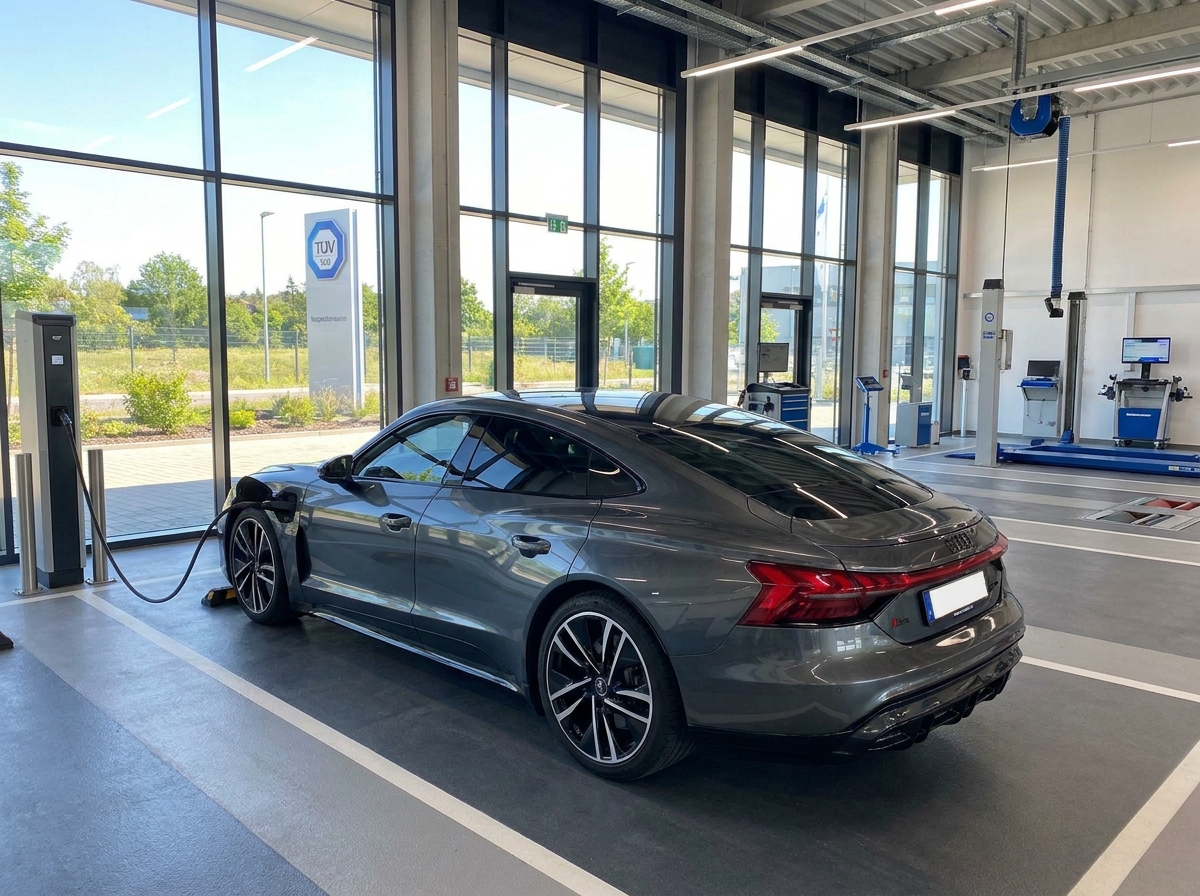
Miss a TUV deadline in Germany and your car gets flagged in the system within days. Drive past that point and you’re not just risking a fine around 15 to 75 euros – you’re risking points in Flensburg and a conversation with the Polizei you don’t want to have. Juggling PCS timelines, deployments, and a vehicle that speaks a different regulatory language than back home, you might feel like TUV is one more hurdle nobody warned you about.
Here’s the good news: once you understand how it works, TUV stops being scary. It’s just maintenance with paperwork. Let’s break down what you need to know for 2026, how it applies to you as a servicemember or DoD civilian, and how to stay ahead of it instead of scrambling at the last minute.
So What Exactly Is TUV – And Does It Apply to You?
TUV (technically “HU” – Hauptuntersuchung – though everyone still calls it TUV) is Germany’s mandatory roadworthiness inspection, required every two years for most passenger vehicles. It checks brakes, lights, emissions, steering, suspension, and general safety. Every registered car on German roads needs it, including vehicles owned by US military and civilian personnel.
Doesn’t matter if your car has German plates or USAREUR plates – if it’s on the road, it’s subject to inspection rules. The specifics differ a bit depending on your registration type, which we’ll get into below.
Here’s the timeline: a new car gets its first inspection after three years. After that? Every 24 months, no exceptions, no grace period that actually helps you once you’re overdue. The sticker on your license plate (the little round TUV badge) tells any traffic officer – or yourself, glancing at your own bumper – exactly when your next inspection is due.
Quick answer: TUV inspection is a mandatory biennial safety and emissions check required for all vehicles registered in Germany, including those owned by US military personnel, whether under German or USAREUR registration.
Got USAREUR Plates? Here’s What Changes
If your vehicle runs on USAREUR plates, the process shifts slightly. Many servicemembers get their inspections done through military-affiliated vehicle registration offices or approved German TUV stations used to working with US personnel. The inspection content stays the same – brakes, emissions, lights – but the paperwork trail connects back to your USAREUR registration instead of a standard German Zulassung.
Still working through registration itself? Our guide on how to register a car with USAREUR plates walks through the steps before TUV even enters the picture. Get registration right first, and the inspection cycle becomes much easier to track.
One thing that trips people up constantly: your insurance and your TUV status are linked. Keep driving a car that failed inspection, and you could void your coverage entirely. We covered this connection in more depth in our car insurance for US military in Germany 2026 guide – worth a read if you haven’t locked in your policy yet.
What Will TUV Actually Cost You in 2026?
Expect to pay somewhere between 100 and 130 euros for a standard passenger car TUV inspection in 2026, depending on the testing organization and region. That’s before any repairs needed to pass. A failed inspection with minor fixes (a bulb, a worn wiper) might add 20-50 euros. Major mechanical issues can push total costs into the hundreds.
Here’s a rough breakdown of what owners typically budget for:
| Inspection Scenario | Typical Cost Range (EUR) |
|---|---|
| Standard pass, no issues | 100 – 130 |
| Minor defects (lights, fluids) | 130 – 180 |
| Moderate repairs (brakes, exhaust) | 200 – 500 |
| Major mechanical failure | 500+ |
| Re-inspection fee after failure | 20 – 40 |
Notice the pattern? The cheapest scenario is always the one where the car was already well-maintained going in. That’s the real lesson here – TUV rewards good upkeep and punishes neglect financially. A car bought in solid condition from the start saves you money at every inspection cycle, not just the first one.
Buying the Wrong Car Now Means Failing TUV Later
This is where your purchase decision and your TUV future connect directly. Buy a vehicle with worn brake pads, a dying exhaust system, or sketchy suspension components, and you’re not just buying a car – you’re buying your next TUV failure.
At Patriot Military Automobiles, vehicles are sold with this reality in mind. Whether you’re looking at the used Opel cars for sale in Germany or browsing the broader Opel lineup, the goal is matching you with a car that won’t surprise you two years down the road when the inspection sticker comes due.
Same logic applies across the lineup. Need more passenger room for the family during a PCS move? Check the used minivan options. Hauling gear or tools for a side project? Look at the used pick-up trucks selection. Want something efficient and easy to park on base? The used hatchback inventory tends to be the practical choice for single servicemembers or smaller households.
Ready to find a car that won’t stress you out at every TUV cycle? Reach out and book a consultation – let’s talk about what fits your deployment schedule, your budget, and your long-term plans in Germany.
Your Car Failed TUV – Now What?
A failed TUV inspection doesn’t mean your car is banned from the road immediately, but it does start a clock. Minor defects usually give you a short window (often around a month) to fix and re-present the vehicle. Serious safety failures – brake system faults, structural rust, steering problems – can mean the car is deemed unroadworthy on the spot.
Here are the usual failure categories:
- Minor defects (geringe Mängel): Things like a cracked windshield wiper or a slightly dim headlight. No immediate re-test required, but fix it soon.
- Significant defects (erhebliche Mängel): Worn brake pads, faulty indicators, exhaust leaks. You get roughly 30 days to repair and return for re-inspection.
- Dangerous defects (gefährliche Mängel): Brake failure risk, bald tires, broken suspension components. The car may not legally be driven until repaired – sometimes immediately.
Here’s the part that surprises a lot of new arrivals: Germany doesn’t mess around with partial compliance. There’s no “I’ll fix it next month” option for dangerous defects. If your TUV inspector flags something serious, that’s it – the car sits until it’s repaired.
Want to Pass on the First Try? Do This First
Preparing for TUV means checking the same items the inspector will check: lights, tires, brakes, fluid levels, and emissions – ideally a week or two before your appointment so there’s time to fix anything. A quick pre-check at a trusted garage often costs less than a failed inspection and re-test combined.
Run through this list before your appointment:
- Test every light – headlights, brake lights, turn signals, reverse lights, license plate light.
- Check tire tread depth (legal minimum is 1.6mm, but inspectors look harder at anything close to it).
- Top off windshield washer fluid and confirm wipers aren’t cracked or torn.
- Listen for brake noise or pulling to one side when braking.
- Check for visible exhaust smoke or unusual engine noise under load.
- Make sure your warning triangle, vest, and first aid kit are present (legally required equipment, often checked alongside TUV).
Doing this yourself takes maybe 30 minutes. Skip it and roll the dice at the inspection station, and a routine appointment can turn into a 300-euro repair bill plus a second trip back.
Buying a New Car? Ask These Questions Before You Sign
Thinking about your next vehicle while stationed in Germany – or planning ahead for a move? The questions you ask before buying directly affect how smooth your TUV cycles will be for years.
Ask the seller (or yourself, if you’re the one selling before a PCS):
- When was the last TUV inspection performed, and when is the next one due?
- Were there any noted defects on the last inspection report (the Prüfbericht)?
- Has the timing belt, brake system, or exhaust had recent service?
- Is there a maintenance history available, even informally?
Eyeing something with a bit more road presence – a sedan for long highway runs between bases, or a wagon with extra cargo room for moving household goods? The same due diligence applies. Our used sedan cars for sale and used wagon selections are chosen with exactly this kind of reliability in mind, so TUV becomes routine rather than a gamble.
Drawn to European brands with a reputation for safety engineering? Don’t overlook the used Volvo cars for sale in Germany – Volvos tend to handle TUV’s safety-focused checks well, given how the brand is built. For something with a sportier edge and strong build quality, the Audi lineup is worth comparing too.
PCSing to Another Country? TUV Rules Don’t Travel With You
Military life means borders shift. If a PCS takes you toward Italy, vehicle inspection rules change entirely – Italy runs its own “Revisione” system, with different intervals and different costs. If that’s on your horizon, it’s worth browsing the used Volvo cars for sale in Italy to get a feel for what’s available before you land.
But if you’re staying in Germany for now, TUV timing should factor into every car decision you make – not as an afterthought, but as part of the math alongside price and mileage.
Frequently Asked Questions
How often do you need TUV inspection in Germany?
New vehicles need their first TUV inspection three years after initial registration. After that, inspections are required every two years for the life of the vehicle, regardless of mileage or ownership changes.
Can US military personnel get TUV done without German plates?
Yes. USAREUR-plated vehicles still require TUV inspection. Many servicemembers use TUV stations experienced with military registration paperwork to keep the process simple, since the inspection standards themselves don’t change based on plate type.
What documents do you need for a TUV appointment?
Bring your vehicle registration (Fahrzeugschein or USAREUR equivalent), proof of previous TUV inspection if available, and your ID. Some stations also ask for proof of valid insurance before testing begins.
Does TUV check emissions too?
Yes, emissions testing (AU – Abgasuntersuchung) is bundled into the standard TUV inspection for most vehicles. Diesel and gasoline engines are checked against different thresholds, and older vehicles without catalytic converters face stricter scrutiny.
Your Next Move
TUV doesn’t have to be a source of dread every two years. Buy smart, maintain consistently, and the inspection becomes a formality instead of a gamble. The single biggest factor in a stress-free TUV cycle is the condition of the car you start with.
That’s exactly where Patriot Military Automobiles comes in – helping servicemembers and DoD civilians find vehicles that are ready for German roads and ready for German inspection standards. Get in touch today and let’s find a car that keeps your TUV appointments simple, not stressful.