
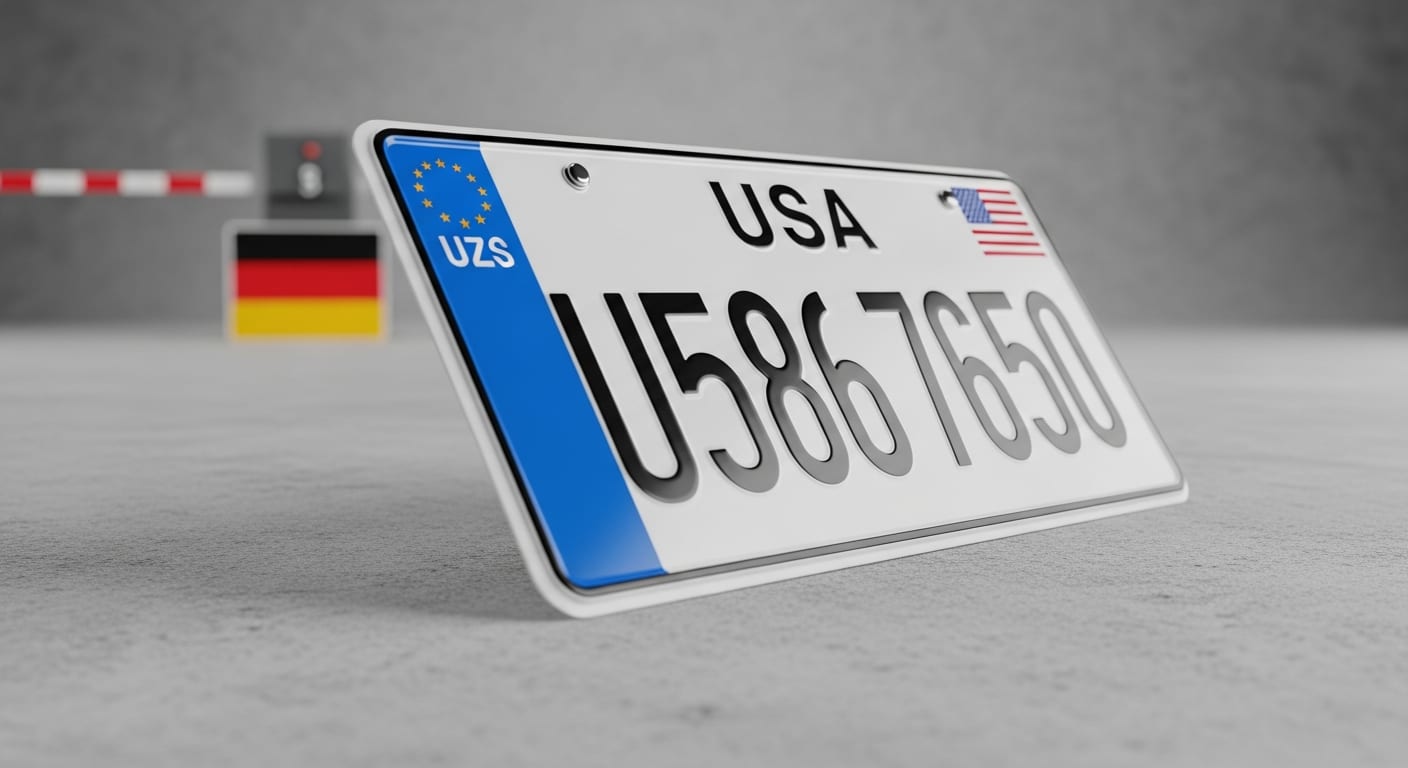
Over 45,000 US military personnel stationed in Germany in 2026 need to navigate the complex vehicle registration process. You’re not alone if the paperwork feels overwhelming – but getting it wrong can cost you thousands in fines and leave you stranded without legal transportation.
The good news? This complete guide breaks down every step, form, and requirement you need to register your vehicle successfully in Germany as US military personnel.
Essential Documents You Need Before Starting
Your registration success depends entirely on having the right paperwork ready. Missing even one document means starting over – and nobody has time for that when you’re managing a PCS move or settling into a new duty station.
Here’s what you absolutely must have:
- Valid US military ID card and orders showing Germany assignment
- Original vehicle title (not a copy – German authorities won’t accept it)
- US vehicle registration from your previous state
- Proof of insurance valid in Germany
- EPA emissions compliance certificate
- DOT safety compliance documentation
The insurance requirement trips up most newcomers. Your USAA or Geico policy from stateside won’t cut it here. You need either USAREUR coverage or a German policy that explicitly covers US military personnel.
One critical detail: your vehicle title must be lien-free or show proper documentation if you’re still making payments. German registration offices (Kraftfahrzeug-Zulassungsstelle) won’t process applications for vehicles with unclear ownership status.
Step-by-Step Registration Process at German Authorities
The German vehicle registration process follows a strict sequence that takes 2-4 weeks when done correctly. Rush it or skip steps, and you’ll find yourself back at square one with additional fees.
Start at your local Kraftfahrzeug-Zulassungsstelle (KFZ office). These aren’t the same as base vehicle registration – you need both German civilian registration AND base registration to legally drive.
Step 1: Vehicle Inspection (TÜV)
Your car needs a clean bill of health from German technical inspectors. This isn’t optional. The TÜV inspection costs approximately €150-200 and covers emissions, safety systems, and compliance with EU standards.
Most US vehicles pass without issues, but modifications (lift kits, aftermarket exhaust, tinted windows darker than 70%) will cause problems. Plan accordingly.
Step 2: Insurance Verification
Present your German-valid insurance policy to the KFZ office. They’ll verify coverage amounts meet minimum requirements: €7.5 million for personal injury, €1.12 million for property damage.
Step 3: Payment and Plate Assignment
Registration fees vary by state (Bundesland) but expect €25-50 for the process plus €20-30 for license plates. Some regions charge additional environmental taxes for older vehicles.
You’ll receive temporary plates immediately and permanent plates within 5-10 business days.
Base Vehicle Registration Requirements
German civilian registration is only half the battle. Base vehicle registration through your installation’s Vehicle Registration Office ensures you can access military facilities and receive SOFA (Status of Forces Agreement) protections.
Required documents for base registration:
- German registration certificate (Fahrzeugschein)
- Valid driver’s license (US license acceptable for first 90 days)
- Current military orders
- POV (Privately Owned Vehicle) shipping documentation if applicable
The process typically takes 1-2 business days once you have German registration completed. Base registration offices operate Monday-Friday, usually 0800-1600 hours.
One advantage of base registration: you’re eligible for tax-free fuel at base stations, saving approximately €0.40 per liter compared to German civilian prices.
Need help navigating the complex paperwork or have questions about specific requirements for your vehicle? Contact our specialists who work exclusively with military personnel in Germany.
Insurance Options and Requirements for Military Personnel
Your insurance choice affects everything from coverage costs to claim processing speed. Military personnel in Germany have three main options, each with distinct advantages and limitations.
USAREUR Insurance Program
The military’s preferred option covers liability and comprehensive protection specifically designed for SOFA personnel. Premiums run €300-600 annually depending on vehicle value and driving record.
Benefits include English-language support, base-friendly claim processing, and coverage that follows you during PCS moves within Europe. The downside? Limited provider network for repairs off-base.
German Commercial Insurance
Companies like Allianz, AXA, and ADAC offer policies for military members. Expect to pay €400-800 annually, but you’ll get broader repair network access and faster claim resolution for accidents involving German civilians.
Language barriers can complicate claims, though most insurers now offer English-speaking customer service for military customers.
US-Based Extended Coverage
Some US insurers (particularly USAA) extend coverage to Germany, but verify this carefully. Standard US policies often exclude overseas coverage or provide inadequate protection under German law.
The critical requirement: minimum liability coverage must meet German standards, not US minimums. German requirements are significantly higher and strictly enforced.
Common Mistakes That Delay Registration
Three mistakes account for 80% of registration delays and rejections. Avoid these, and your process runs smoothly.
Mistake #1: Incomplete Emissions Documentation
US vehicles need EPA compliance certificates, but not all versions work in Germany. The certificate must specifically show compliance with EU emission standards or provide conversion documentation.
Vehicles manufactured after 2018 typically have dual compliance certification. Older vehicles may need additional testing.
Mistake #2: Insurance Coverage Gaps
German law requires continuous insurance coverage from the moment you register. A gap between your US policy cancellation and German policy activation means automatic registration denial.
Coordinate timing carefully. Cancel US coverage only after German coverage begins.
Mistake #3: Title Documentation Errors
Titles with incorrect names, addresses, or lien information cause immediate rejection. If you’re married and both names need to appear on registration, both must appear on the title.
Correcting title errors from Germany involves your state’s DMV and can take 6-8 weeks. Get it right before you ship your vehicle overseas.
Costs and Timeline Breakdown
Budget €800-1,200 total for complete vehicle registration in Germany, including all fees, inspections, and insurance setup. Timeline varies significantly based on preparation and season.
Cost Breakdown:
- TÜV inspection: €150-200
- German registration fees: €25-50
- License plates: €20-30
- Insurance (annual): €300-800
- Translation services (if needed): €50-100
- Base registration: No fee
Additional costs emerge for vehicles requiring modifications to pass inspection. Headlight adjustment for right-hand traffic costs €50-80. Speedometer conversion (if required) runs €200-400.
Timeline Expectations:
Perfect scenario (all documents ready): 10-14 days from start to fully registered vehicle. Realistic timeline with minor complications: 3-4 weeks. Worst case (missing documents, failed inspections): 2-3 months.
Summer PCS season (June-August) adds 1-2 weeks to all timelines due to high demand at registration offices.
Special Considerations for Different Vehicle Types
Not all vehicles follow the standard registration process. Motorcycles, RVs, and modified vehicles face additional requirements that can extend registration time significantly.
Motorcycles and Scooters
German motorcycle registration requires additional safety equipment verification. Your bike needs specific reflector configurations and horn specifications that differ from US standards.
Helmet requirements are stricter – your US DOT-approved helmet may not meet German standards for insurance coverage purposes.
Recreational Vehicles and Trailers
RVs over 3.5 tons require commercial vehicle documentation and different insurance classifications. Registration costs jump to €200-400, and you’ll need additional driver’s license endorsements.
Trailers need separate registration regardless of size – something that surprises many US military families accustomed to different state requirements.
Modified or Classic Vehicles
Modifications that were legal in your US state may violate German regulations. Window tinting, suspension modifications, and aftermarket exhaust systems commonly cause registration problems.
Classic vehicles (25+ years old) qualify for special historic vehicle registration (H-Kennzeichen) with reduced insurance costs and tax benefits. The trade-off: usage restrictions and mandatory historic vehicle inspections.
What to Do If Your Registration Gets Rejected
Registration rejection doesn’t mean starting completely over. German authorities provide specific rejection reasons that guide your next steps – if you know how to interpret them.
Common rejection reasons and solutions:
“Insufficient insurance documentation” usually means your policy doesn’t explicitly state German coverage or liability limits. Contact your insurer for amended documentation rather than switching providers.
“Vehicle identification discrepancies” indicates VIN numbers don’t match between documents. This often happens with titles that list partial VINs while German authorities need complete 17-character identification.
“Emissions compliance unclear” requires additional EPA documentation or emissions testing. Some US vehicles need retrofit equipment to meet German standards.
You have 30 days from rejection to resubmit corrected applications without paying additional base fees. After 30 days, the process restarts with new fees.
Appeals are possible but rarely successful unless registration officers made clear procedural errors. Focus on fixing identified problems rather than challenging requirements.
Maintaining Your Registration Status
Registration isn’t a one-time event. German vehicle registration requires ongoing compliance maintenance that many military families overlook until they face penalties.
Annual Requirements:
TÜV inspections repeat every 2 years for vehicles under 3 years old, annually for older vehicles. Missing inspection deadlines results in automatic registration suspension.
Insurance must remain current with German-compliant coverage levels. Letting insurance lapse triggers immediate registration cancellation and potential vehicle impoundment.
Address Change Notifications
Moving to new base housing or off-base locations requires registration updates within 2 weeks. Failure to update addresses can complicate insurance claims and traffic violation processing.
PCS Preparation
When you receive PCS orders, start deregistration process 60-90 days before departure. German authorities need time to process paperwork, and delays can affect your household goods shipment.
You’ll receive tax refunds for unused registration periods and can export your vehicle duty-free with proper documentation.
Getting Professional Help When You Need It
Sometimes DIY registration isn’t worth the stress. Professional vehicle registration services cost €200-500 but handle everything from document preparation to office visits.
Consider professional help if:
- You’re arriving during peak PCS season with limited appointment availability
- Your vehicle has modifications or documentation complications
- Language barriers make communication with German officials difficult
- You’re dealing with a short-notice deployment or TDY that limits your availability
Professional services also maintain relationships with registration offices and can often expedite processing during busy periods.
Ready to start your vehicle registration process but still have specific questions about your situation? Reach out to our team – we’ve helped thousands of military families navigate German vehicle registration successfully.
Your next step: gather your documents and schedule your TÜV inspection. The sooner you start, the sooner you’ll have legal, fully registered transportation for your time in Germany. Don’t let bureaucracy keep you from exploring everything this incredible country has to offer.